How to Choose Selective Pallet Racking for Your Warehouse
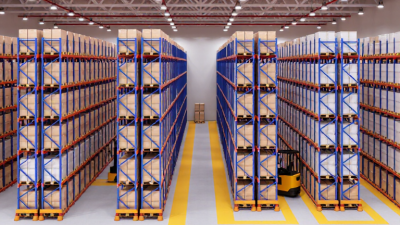
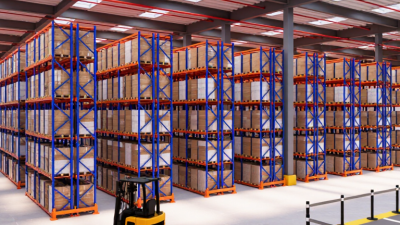
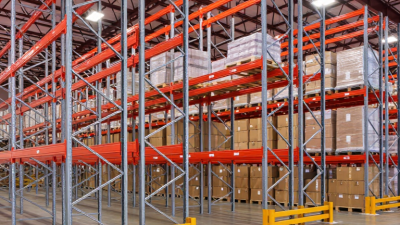
Choosing Selective Pallet Racking is rarely a simple matter of counting pallets. A warehouse manager must examine product dimensions, pallet weights, forklift turning space, ceiling height, fire protection, and future growth. In a live facility, a small clearance mistake can slow every pick. It can also create avoidable safety risks. Selective Pallet Racking offers direct access to individual pallets and often suits warehouses with many stock-keeping units. However, high accessibility may reduce storage density compared with drive-in or double-deep systems.
Industry data supports a careful, evidence-based decision. The 2024 MHI Annual Industry Report identifies labor availability, inventory visibility, and operational efficiency as continuing supply-chain challenges. These pressures make accessible, well-organized storage increasingly valuable. CBRE’s 2024 North American Industrial and Logistics Occupier Survey also highlights ongoing demand for efficient warehouse space, especially where expansion is expensive. Every usable aisle matters. Still, reports cannot replace a site survey. A rack layout designed from assumptions may fail when real pallets overhang, forklifts queue, or seasonal inventory arrives.
This guide explains how to evaluate Selective Pallet Racking through load capacity, aisle width, beam levels, frame height, and warehouse workflow. It also considers seismic conditions, sprinkler clearance, inspection routines, and compliance with applicable local standards. Experienced rack installers and qualified structural engineers should verify the final design. The honest limitation is simple: the cheapest system is not always the most economical. A practical choice balances access, density, safety, installation cost, and changing inventory needs. That balance deserves measurement, not guesswork.
Read more »


 By:Oliver
- September 29, 2026
By:Oliver
- September 29, 2026
 By:Liam
- September 29, 2026
By:Liam
- September 29, 2026