[email protected] Engineering & export support for projects worldwide
YouTube LinkedIn Facebook
0%

Choosing the right Adjustable Pallet Rack is a practical decision, not a catalog exercise. A warehouse manager must match storage design with pallet dimensions, load weight, forklift movement, and future growth. One wrong beam level can reduce usable space or create daily handling problems.

Industry data supports careful planning. MHI’s 2024 Annual Industry Report, produced with Deloitte, reported that 55% of supply chain professionals planned to increase technology investment. That investment often begins with better visibility of inventory, space, and equipment performance. However, technology cannot correct an unsuitable rack layout. The U.S. Occupational Safety and Health Administration emphasizes stable material storage, clear aisles, and protection from struck-by hazards under its warehousing guidance. ANSI MH16.1 also provides recognized design guidance for steel pallet racks.

Look closely at the floor.

A suitable system should accommodate the actual pallet footprint, not an assumed standard. Measure pallet height, load distribution, beam deflection limits, sprinkler clearance, and forklift turning space. Check whether the concrete slab can support the planned configuration. Consider row spacers, column protectors, anchors, and load plaques where appropriate. These small details become important when a busy forklift passes within inches of an upright.

There is no universal best rack. A selective Adjustable Pallet Rack may offer direct access to every pallet, yet it can consume more floor space than higher-density alternatives. This trade-off is easy to underestimate. A careful choice combines site measurements, qualified engineering review, supplier experience, and realistic growth forecasts. Even experienced teams should challenge their first layout. The cheapest design may not remain economical after expansion, damage, or changing pallet sizes.
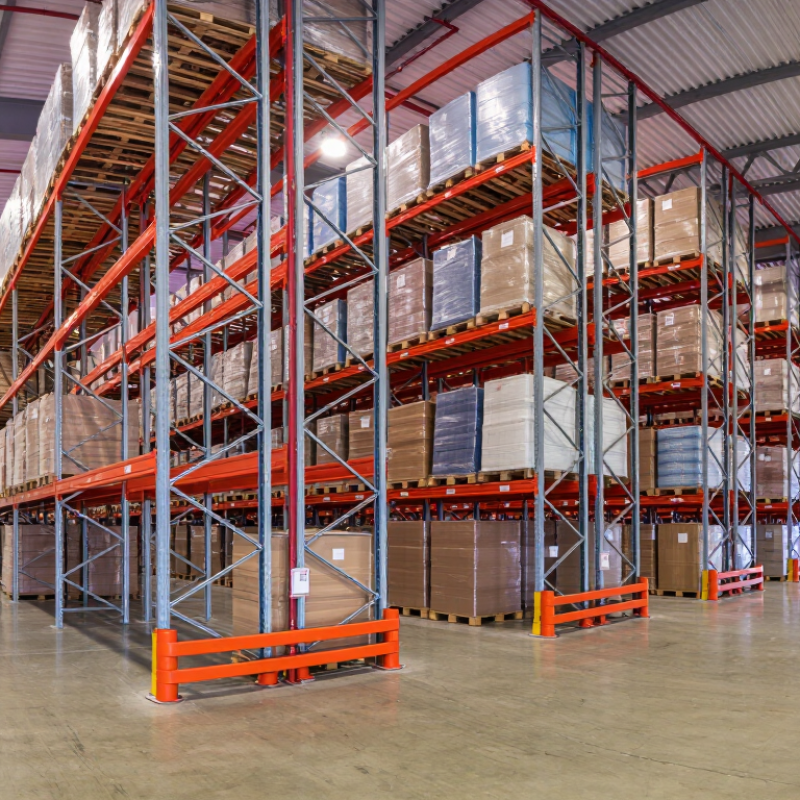
How to Choose the Right Adjustable Pallet Rack?

Define Storage Needs and Pallet Rack Objectives

Choosing the right adjustable pallet rack begins with a clear definition of your storage needs. Walk through the facility and record pallet dimensions, weights, stacking limits, and daily movement. Do not rely on average figures. One oversized load can change the entire layout.

Count each stock-keeping unit and note how often it is accessed. Fast-moving goods may need positions near shipping areas, while slow-moving inventory can occupy higher levels. Measure ceiling height, column spacing, door locations, sprinkler clearance, and available aisle width. A rack plan must fit real equipment, including turning space for forklifts and pallet jacks.

Set objectives before comparing rack designs. You might need higher capacity, easier product visibility, safer picking, or room for seasonal growth. Define a target for pallet positions and acceptable retrieval time. Load ratings should come from verified engineering data, not estimates. Local building and workplace requirements also deserve review by a qualified professional.

I have seen warehouses lose capacity because they measured empty pallets, not loaded ones. That mistake is costly. A neat spreadsheet can still mislead. Recheck the data with operators who use the aisles every day. Their practical experience may reveal blocked routes, awkward lifting points, or damaged pallets that planning records miss. Leave some flexibility for future inventory, but avoid buying capacity that your operation cannot safely use.

Measure Available Space and Warehouse Constraints

How to Choose the Right Adjustable Pallet Rack?

Measure Available Space and Warehouse Constraints

Choosing adjustable pallet rack begins with accurate measurements, not a quick glance at an empty floor. Record the room’s length, width, and clear height. Include columns, doors, lighting, pipes, fire protection systems, and uneven floor areas. Measure the tallest stored pallet, then add space for beam clearance and safe handling. A few centimeters can change the entire layout.

Aisle width must match your forklift’s turning radius and operating method. Check travel paths from receiving areas to storage locations. Keep required clearance near exits, electrical equipment, and emergency routes. Review the floor’s load capacity before installation, especially in older buildings. Local building and fire requirements may also affect rack height and aisle spacing. A qualified storage professional should verify these details.

I once saw a layout fail because a support column was measured but not included in the drawing. Small oversight. Recheck every dimension on site. Digital plans can be useful, but they may not show damaged floors or low obstructions.

Tips: Measure in three places, not one. Mark columns with visible tape. Photograph ceiling obstructions. Test the proposed aisle with the actual forklift. Leave practical working space around pallets, even when the plan appears efficient. Allow room for future inventory changes; today’s narrow fit may become tomorrow’s daily problem.

Compare Rack Types, Load Ratings, and Adjustability

How to Choose the Right Adjustable Pallet Rack?

Adjustable pallet racks suit warehouses with changing inventory, but rack types perform differently. Selective racks provide direct access to every pallet and support frequent picking. Drive-in racks store more pallets in less space, yet they reduce access and require consistent product handling. Cantilever racks work better for long materials, such as pipes, timber, or panels. The right choice depends on pallet size, turnover, forklift movement, and available floor space.

Load ratings need careful attention. A rating usually applies to each beam level, not the entire bay. Check pallet weight, beam span, upright capacity, and the number of storage levels. Uneven loads can reduce safe capacity. Keep heavier pallets on lower levels. Never estimate by appearance. A beam may look strong while its configuration remains unsuitable. Ask for tested ratings and installation guidance from a qualified supplier or engineer.

Adjustability adds value when products change. Look for beam positions that match pallet heights while preserving forklift clearance. Small adjustment intervals can reduce wasted vertical space. However, frequent changes may loosen components or create installation errors. Inspect connectors, frames, anchors, and beam locks after every modification. In warehouse assessments, I have seen teams focus on maximum height and overlook aisle width. That mistake slows handling. Measure twice. Leave enough clearance for turning, lighting, sprinklers, and routine inspections. A practical layout balances density with safe, reliable access.

Evaluate Safety Features, Materials, and Compliance

How to Choose the Right Adjustable Pallet Rack?

Evaluate safety features before comparing prices. A reliable rack should include locking beam connectors, upright guards, stable base plates, and clearly displayed load ratings. Small details matter. Check that each beam seats fully and that safety pins cannot loosen during forklift movement. Load data comes first. Never estimate capacity from appearance, because two similar frames may support very different weights.

Material selection affects durability and maintenance. Powder-coated steel suits many dry warehouses, while galvanized finishes may perform better in damp environments. Inspect welds, beam deflection limits, and upright thickness. Look for bent frames, chipped coatings, or rust around anchor points. Do not guess. A damaged component should be isolated and assessed by a qualified professional before reuse. I would also review aisle width, floor condition, forklift impact zones, and seismic exposure, not just the rack dimensions.

Compliance requires more than a certificate in a file. Confirm that the design follows applicable national and local building, fire, and storage regulations. Ask for engineering calculations, installation instructions, inspection procedures, and traceable load labels. Standards such as ANSI/RMI guidance may support the evaluation, but local requirements still control the project. Document every change. Even a relocated beam can alter the approved capacity. A practical inspection should include upright plumbness, anchor tightness, connector damage, and clearance from sprinklers. One oversight remains possible: warehouse teams may modify racks after installation without informing the responsible engineer. Regular training and recorded inspections help expose that risk.

Select, Configure, and Plan the Rack Installation

How to Choose the Right Adjustable Pallet Rack?
Select, Configure, and Plan the Rack Installation

Choosing adjustable pallet rack starts with the load, not the available wall space. Record each pallet’s weight, height, depth, and expected handling frequency. Then verify the rack’s rated capacity at every beam level. Capacity changes when beam spacing changes. Keep clear records.

Measure the building carefully. Include columns, doors, sprinklers, lighting, and uneven floor areas. A practical aisle test helps: mark the proposed aisle with tape and drive the intended forklift through it. Watch the turning radius. I once allowed too little clearance near a column, and the layout needed revision. That mistake was avoidable.

Configure beam heights around pallet dimensions, leaving safe vertical clearance for loading. Keep heavier pallets on lower levels when operationally suitable. Protect exposed uprights near traffic lanes with approved guards. Check floor conditions before anchoring, and confirm the slab can support concentrated loads. Installation should follow local building, fire, seismic, and workplace requirements. A qualified installer can verify plumb frames, anchor placement, beam locks, and row spacing. Do not rely only on a drawing. Walk the finished layout with operators. Their comments may reveal blind corners, awkward access, or labels placed too high. Leave room for inspection and future changes, even if the warehouse feels full today.

How to Choose the Right Adjustable Pallet Rack?

Select the rack configuration by matching the handling equipment with the required clear aisle width. These typical planning values help establish an initial layout before confirming the final dimensions with the equipment and rack manufacturers.

Wider aisles generally support conventional forklifts, while reach trucks and very-narrow-aisle equipment can increase storage density. Final aisle requirements depend on the truck model, pallet size, rack height, turning radius, floor conditions, and operator clearances.

FAQS

What measurements are needed before choosing an adjustable pallet rack?

Measure the warehouse length, width, and clear height. Include columns, doors, pipes, lights, sprinklers, and uneven floor areas. Measure in three places. A few centimeters can change the whole layout.

How much space should be left above stored pallets?

Measure the tallest pallet and add beam clearance. Include room for forklift handling and routine inspections. Do not fill every vertical gap. Tight spaces often create daily problems.

How can aisle width be determined?

Match aisle width to the forklift’s turning radius and operating method. Test the planned route with the actual forklift. Check travel paths from receiving areas to storage locations. A drawing may look efficient but still feel too narrow.

Which rack type suits changing warehouse inventory?

Selective racks provide direct access to every pallet. They suit frequent picking and varied products. High-density racks save floor space but reduce access. Cantilever racks suit long materials, such as pipes, timber, or panels.

What affects a rack’s safe load rating?

Check pallet weight, beam span, upright capacity, and storage levels. Ratings often apply to one beam level, not the entire bay. Uneven loads can reduce safe capacity. Never judge strength by appearance.

Where should heavier pallets be placed?

Place heavier pallets on lower levels whenever practical. Confirm the rack configuration supports the planned load. Keep pallets stable and evenly positioned. Weight changes everything.

Why is adjustability useful in pallet storage?

Adjustable beams can match different pallet heights. Small adjustment intervals may reduce wasted vertical space. They also support future inventory changes. However, repeated changes can create loose parts or fitting errors.

What should be inspected after changing beam positions?

Check connectors, frames, anchors, and beam locks after every modification. Confirm each component is properly seated and secured. Inspect the floor and nearby obstructions again. I once trusted a digital plan too much. The column was missing from the drawing.

Conclusion

Choosing the right Adjustable Pallet Rack begins with a clear understanding of your storage needs, product dimensions, pallet weights, handling equipment, and future growth plans. Define the main objectives of the system, such as increasing capacity, improving accessibility, or organizing inventory more efficiently. Then measure the available warehouse space, including ceiling height, aisle width, floor conditions, columns, doors, sprinklers, and emergency pathways. These details will help determine the most practical rack layout and configuration.

Next, compare rack types, load ratings, beam levels, and adjustment options to ensure the system can safely support your inventory. Evaluate the quality of materials, protective features, anchoring requirements, and compliance with applicable safety standards. Finally, select a configuration that balances capacity, accessibility, and budget, while preparing a detailed installation plan. Proper coordination of rack placement, assembly, inspections, and employee training will help create a safe, durable, and efficient storage solution.

Liam

Liam

Liam is a professional marketing specialist who combines a deep understanding of the company’s products with a clear, customer-focused approach to communication. He regularly contributes expert articles to the company website, offering practical insights into product features, applications, and......