[email protected] Engineering & export support for projects worldwide
YouTube LinkedIn Facebook
0%

Choosing Standard Pallet Racking in 2026 is not simply a matter of selecting beams, frames, and a familiar blue finish. The right system must match your inventory, forklift traffic, ceiling height, floor condition, and expected growth. A rack that looks efficient on paper may create awkward turning points beside the loading dock. Small details matter. A 100-millimeter clearance mistake can affect daily productivity.

Dr. Edward Frazelle, a respected warehouse and logistics expert, has stated, “A warehouse should be designed around the flow of materials, not the appearance of the racks.” That principle remains highly relevant. Standard Pallet Racking should support a clear movement path from receiving to storage, picking, and dispatch. Measure actual pallet weights, dimensions, and stacking patterns. Do not rely on average figures. They can hide the heaviest load.

In 2026, buyers should also examine seismic requirements, fire protection, rack protection, inspection routines, and compatibility with forklifts or automated equipment. Digital warehouse systems may improve visibility, but they cannot correct an unsuitable aisle width. Nor can software repair overloaded beams.

Experience often reveals uncomfortable truths. More storage positions do not always mean better capacity. Tighter aisles may reduce access speed. Cheaper steel may create higher maintenance costs later. There is no perfect layout.

A dependable decision combines engineering calculations, supplier documentation, installation quality, and feedback from the people who use the warehouse every day. Walk the proposed layout physically. Watch a forklift turn. Check the lowest beam. Then question the plan again.
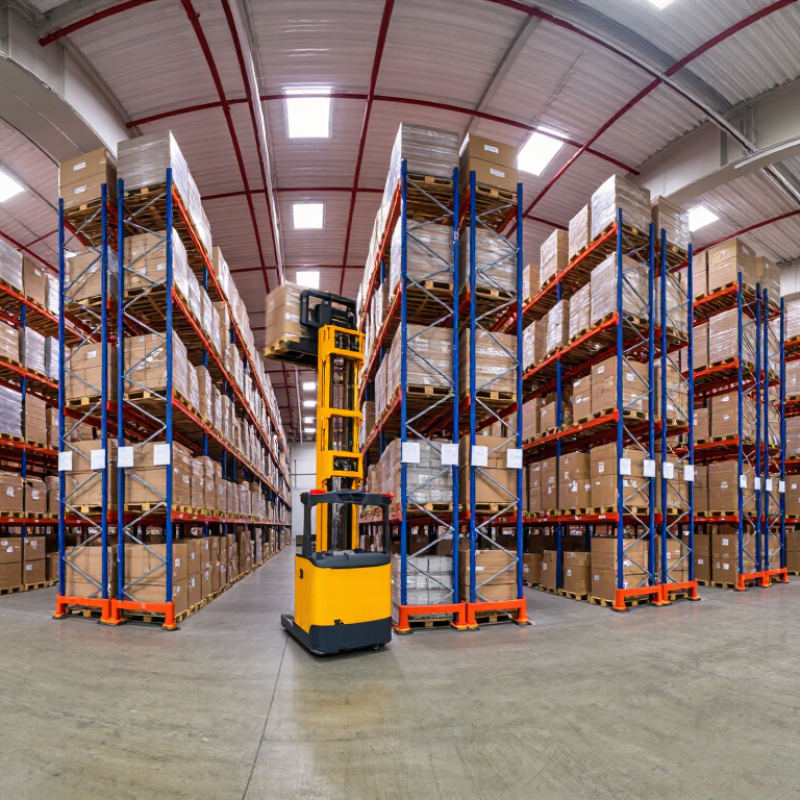
How to Choose Standard Pallet Racking in 2026?

Define Storage Needs and Pallet Load Requirements

Before choosing standard pallet racking in 2026, define the storage problem precisely. Count active SKUs, daily pallet movements, pallet dimensions, and average inventory. Do not design around today’s busiest week alone. The 2024 MHI Annual Industry Report identified labor shortages as a continuing concern for supply-chain organizations. That makes clear labeling, direct access, and simple replenishment increasingly valuable. Your rack layout should reduce searching and unnecessary forklift travel.

Record each pallet’s gross weight, load distribution, and center of gravity. A 1,000-kilogram pallet with uneven cartons is not equivalent to a compact, evenly loaded pallet. Measure ceiling height, aisle width, sprinkler clearance, floor capacity, and forklift turning space. Rack beams must be selected for the actual pallet arrangement, not a guessed average. ANSI MH16.1 guidance from the Rack Manufacturers Institute emphasizes engineered rack design, load limits, and proper installation. Use those requirements with local building and fire provisions.

Allow room for variation. Real warehouses are rarely perfect. We once underestimated seasonal packaging changes; the “standard” load became heavier and less stable. That mistake deserves reflection. Ask whether future pallets will be taller, heavier, or more frequently accessed. MHI’s 2024 report also highlights growing investment in warehouse technology, but automation cannot correct poor load data. Verify measurements on site, document every assumption, and display rated capacities where operators can see them.

Compare Racking Types, Dimensions, and Weight Capacities

How to Choose Standard Pallet Racking in 2026?

Standard pallet racking should match your pallet size, handling equipment, and storage turnover. Selective racking offers direct access to every pallet. It suits mixed inventory and frequent picking. Drive-in racking stores more pallets in less aisle space. However, it reduces access and works best with stable, similar loads. Cantilever racking handles long goods, not ordinary pallet cartons.

Measure each pallet before choosing rack dimensions. Common pallets measure 1,200 by 1,000 millimeters or 48 by 40 inches. Rack depth should support the load without excessive overhang. Beam lengths often suit two or three pallets, but actual spacing depends on pallet width and forklift clearance. Leave enough vertical space for safe placement. Load capacity must include the pallet, products, and uneven weight distribution. Never rely only on a sales estimate. Confirm the manufacturer’s tested load tables and have a qualified engineer review unusual layouts.

Tips: Record the heaviest real pallet, not the average one. Check upright frames, beam locks, floor condition, and aisle width. Keep visible load plaques on every rack row. Inspect damaged components immediately. In practice, I have seen teams choose deeper racks for extra storage, then lose usable space because forklifts cannot turn comfortably. That choice looked efficient on paper. It was not. Allow room for sprinkler clearance, lighting, and future inventory changes. Recheck capacity after adding shelves or changing beam levels.

Check Warehouse Layout, Clearances, and Material Handling Access

How to Choose Standard Pallet Racking in 2026?

Standard pallet racking should fit your warehouse, not force the warehouse to fit it. Start with an accurate layout showing columns, doors, sprinklers, lighting, and emergency routes. Measure the tallest load, including its pallet and wrapping. Then compare that height with the clear ceiling height. Leave practical space for beams, sprinklers, and safe lifting operations.

Aisle width depends on the handling equipment. Counterbalance forklifts need more turning room than narrow-aisle machines. Mark the full turning circle on the floor before approving a rack plan.

Check loading and unloading points too. A rack may fit neatly on paper but still block a dock door or create awkward travel paths. That mistake is easy to miss.

Tips: Keep clearance around rack ends, columns, fire equipment, and pedestrian routes. Confirm every measurement on site. Ask the equipment supplier for turning data, not guesses. Label maximum load limits where operators can see them. Review floor capacity and anchor requirements with a qualified professional. A few extra centimeters may protect daily access, but excessive space can waste storage capacity. I have seen both problems. A clean drawing is not proof of a workable warehouse. Recheck the plan during a real pallet movement, because traffic changes when the building becomes busy.

Evaluate Safety Standards, Durability, and Future Expansion

How to Choose Standard Pallet Racking in 2026?

Safety should guide every pallet racking decision. Check current local building, fire, and seismic requirements before ordering equipment. Ask for documented load ratings, material specifications, and installation procedures. Each beam level needs a visible capacity label. Never guess the load from appearance. A fully loaded pallet may exceed its expected weight after packaging changes. Include aisle width, forklift clearance, and upright protection in the design. Small impacts can weaken frames long before damage becomes obvious.

Durability depends on steel quality, connection design, floor conditions, and daily handling. Inspect beams, braces, anchors, and locking pins on a planned schedule. Replace damaged parts instead of straightening them on site. Corrosion deserves attention in cold rooms, humid areas, and near loading doors.

I have seen racks look sound while one bent connector created a serious concern. Still, no inspection plan is perfect. Staff may overlook damage during busy shifts, so simple reporting methods matter.

Tips: Leave expansion space for new aisles, higher frames, or changing pallet sizes. Choose modular components that can be extended without rebuilding the whole system. Keep future forklift routes in mind. Photograph each inspection area and record repairs with dates. Do not design only for today’s inventory. A cheaper layout can become expensive when growth blocks emergency access or forces unsafe overloading. Review the plan with a qualified engineer when building conditions, loads, or operating methods are uncertain.

Select a Supplier and Plan Professional Installation

How to Choose Standard Pallet Racking in 2026?

Select a supplier that can prove its engineering process, not just display attractive prices. The MHI 2024 Annual Industry Report collected responses from more than 1,000 supply-chain professionals. Labor shortages and productivity pressure remain major operational concerns. Your supplier should therefore provide accurate drawings, load calculations, and a practical installation schedule.

Ask for rack specifications, steel grades, beam capacities, and anchoring details. Confirm that the design follows applicable standards, such as ANSI MH16.1 or EN 15635. Local building codes still control the final decision.

A competent supplier should inspect the warehouse floor, measure clear heights, and check forklift turning paths. Small errors become expensive later. I have seen layouts fail because one column blocked a fire exit.

Professional installation deserves equal attention. Require trained installers, documented torque checks, verticality measurements, and protection for upright frames. The U.S. Bureau of Labor Statistics reported 4.8 nonfatal injury and illness cases per 100 full-time workers in warehousing and storage during 2022. That figure is a warning, not a design target. Installation teams must control falling-object risks and keep aisles closed during elevated work.

Request handover documents. Include as-built drawings, inspection records, anchor test results, and clear load signs. Arrange a post-installation inspection before loading pallets. The supplier may recommend maximum density. That recommendation can still be wrong for your forklifts, slab, or future growth. Leave adjustment space. Storage plans change.

FAQS

What information should I collect before choosing pallet racking?

Record SKU counts, daily pallet movements, pallet sizes, weights, and average inventory. Measure ceiling height, aisle width, floor capacity, sprinkler clearance, and forklift turning space. Measure twice.

Which pallet racking type suits mixed inventory?

Selective racking provides direct access to every pallet. It suits mixed products and frequent picking. Drive-in systems save aisle space but reduce access. Choose based on real handling patterns, not appearance.

How should I calculate rack load capacity?

Include the pallet, products, packaging, and uneven weight distribution. Use the heaviest real pallet, not an average estimate. A 1,000-kilogram pallet needs careful review when cartons sit unevenly.

How do pallet dimensions affect rack design?

Measure each pallet before selecting beam length and rack depth. Common sizes include 1,200 by 1,000 millimeters and 48 by 40 inches. Allow space for forklift clearance and controlled pallet placement.

How wide should warehouse aisles be?

Aisle width depends on the forklift type and its turning radius. Mark the full turning circle on the floor before approving the layout. Ask for equipment data instead of guessing.

What clearances must the layout include?

Keep practical space around beams, sprinklers, lighting, columns, doors, and emergency routes. Check the tallest pallet, including wrapping. A few extra centimeters may improve access, but excessive space wastes capacity.

How can I test whether a rack plan works?

Simulate real pallet movement through loading points, aisles, and dock doors. A clean drawing is not proof of a workable warehouse. Traffic changes when the building becomes busy.

What should I do when inventory changes later?

Recheck capacity after adding shelves, changing beam levels, or receiving taller pallets. Display rated capacities where operators can see them. Inspect damaged components immediately. Our earlier “standard” load became heavier than expected. That deserved reflection.

Conclusion

Choosing Standard Pallet Racking in 2026 starts with a clear understanding of your warehouse’s storage needs, pallet dimensions, load weights, and inventory turnover. These details help determine the most suitable racking type, bay width, beam length, frame height, and weight capacity. You should also review the warehouse layout, aisle clearances, ceiling height, floor conditions, and access requirements for forklifts or other material-handling equipment to support safe and efficient operations.

A reliable system should meet current safety expectations, provide strong and durable performance, and allow for future expansion as storage demands change. Consider adjustable configurations, protective features, inspection requirements, and the ease of replacing or adding components. Finally, select a qualified supplier that can provide accurate planning, suitable materials, clear documentation, and professional installation. Careful evaluation at every stage will help create a practical, safe, and scalable storage solution.

Liam

Liam

Liam is a professional marketing specialist who combines a deep understanding of the company’s products with a clear, customer-focused approach to communication. He regularly contributes expert articles to the company website, offering practical insights into product features, applications, and......