Choosing Selective Pallet Racking is rarely a simple matter of counting pallets. A warehouse manager must examine product dimensions, pallet weights, forklift turning space, ceiling height, fire protection, and future growth. In a live facility, a small clearance mistake can slow every pick. It can also create avoidable safety risks. Selective Pallet Racking offers direct access to individual pallets and often suits warehouses with many stock-keeping units. However, high accessibility may reduce storage density compared with drive-in or double-deep systems.
Industry data supports a careful, evidence-based decision. The 2024 MHI Annual Industry Report identifies labor availability, inventory visibility, and operational efficiency as continuing supply-chain challenges. These pressures make accessible, well-organized storage increasingly valuable. CBRE’s 2024 North American Industrial and Logistics Occupier Survey also highlights ongoing demand for efficient warehouse space, especially where expansion is expensive. Every usable aisle matters. Still, reports cannot replace a site survey. A rack layout designed from assumptions may fail when real pallets overhang, forklifts queue, or seasonal inventory arrives.
This guide explains how to evaluate Selective Pallet Racking through load capacity, aisle width, beam levels, frame height, and warehouse workflow. It also considers seismic conditions, sprinkler clearance, inspection routines, and compliance with applicable local standards. Experienced rack installers and qualified structural engineers should verify the final design. The honest limitation is simple: the cheapest system is not always the most economical. A practical choice balances access, density, safety, installation cost, and changing inventory needs. That balance deserves measurement, not guesswork.
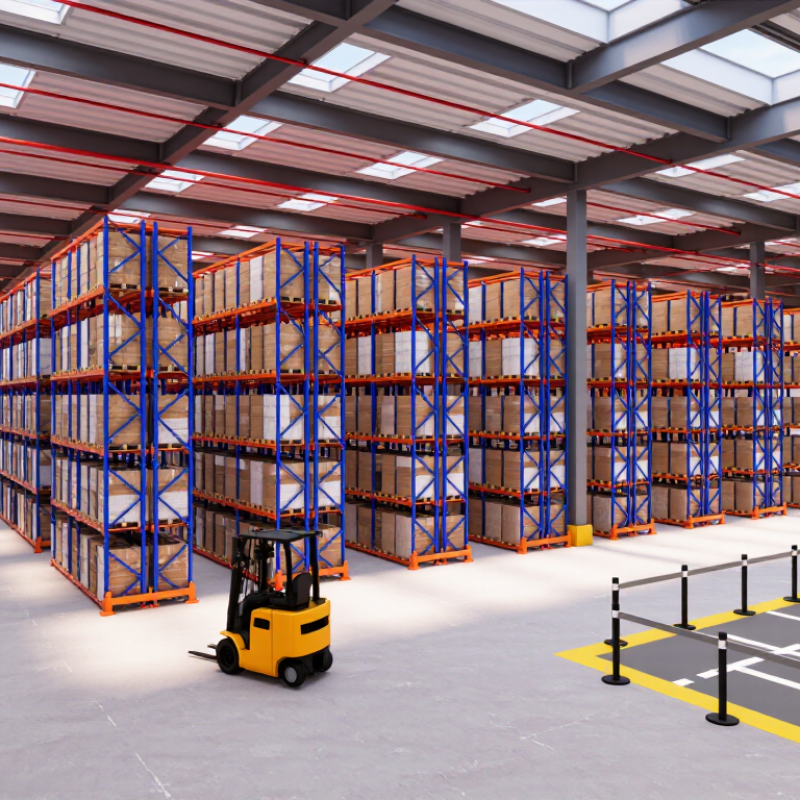
Choosing selective pallet racking starts with understanding your warehouse, not browsing rack dimensions. Measure the building’s clear height, column spacing, floor condition, dock locations, and sprinkler clearance. Record every pallet’s length, width, height, and weight. Do not rely on average figures. A few oversized loads can change the entire layout.
Review daily operations with warehouse staff. How many pallet positions are needed? Which products move quickly? Will forklifts enter straight, turn sharply, or work in narrow aisles? Selective racking offers direct access to each pallet, but access requires suitable aisle space. Check forklift specifications, turning radius, mast height, and operator visibility. Capacity calculations should include beam levels, upright frames, pallet quality, and impact protection. A qualified storage professional should verify the design against applicable building and safety requirements.
Tips: Keep fast-moving items near dispatch areas, but avoid blocking pedestrian routes. Leave practical clearance around lights, sprinklers, and doors. Label every bay clearly. Inspect damaged frames immediately. A first layout is rarely perfect. After installation, observe actual travel paths for one busy week. You may discover wasted space, awkward turns, or picking delays that drawings failed to show. Revise the arrangement before adding more levels. This small review can improve safety and usable capacity.
Selective pallet racking consists of several parts that must work together. Upright frames carry vertical loads, while horizontal beams support pallets at each storage level. The frame depth should match the pallet size without leaving dangerous overhang. Beam connectors must lock securely into the uprights, not merely appear tight.
Wire decking or pallet supports help distribute weight between beams. They also improve visibility and reduce the chance of a pallet slipping through. Row spacers keep back-to-back frames aligned, while floor anchors limit movement during loading. Upright guards protect frame legs from forklift impacts. Small details matter here.
I have found that the load plaque is often overlooked. It should show beam capacity, bay capacity, pallet positions, and any height restrictions. These figures must match the actual configuration, not an old drawing. Check the beam length, frame height, aisle width, and pallet weight together before ordering. A heavier pallet may require stronger beams or fewer storage levels. Do not guess.
Inspect the racking after installation. Look for bent uprights, loose anchors, damaged decking, and uneven floors. A rack can look acceptable while carrying an unsafe load. I once underestimated how quickly forklift traffic could damage lower frames. That experience changed my inspection routine, although it did not make the process perfect. Leave clearance for handling, maintenance, and human error. Safety depends on those practical gaps.
Selective pallet racking works best when load calculations guide the layout, not available floor space alone. Record each pallet’s weight, dimensions, and storage height. Include the pallet, packaging, and any uneven weight distribution. A 900-kilogram pallet may require a different beam rating when two pallets share one level. Check the rack’s stated capacity for each beam pair and upright frame. Never treat maximum capacity as a target.
Measure the warehouse before drawing rack rows. Note columns, doors, sprinklers, lighting, and uneven flooring. Set aisle widths around the turning needs of your forklift and pallet size. Leave enough clearance for the load, not only the equipment. Keep heavier pallets on lower levels when practical. Calculate floor loading beneath every upright, especially on older concrete. I have seen layouts fail because growth was ignored. Empty space today may prevent expensive relocation next year.
Tips: Create a simple load schedule for every rack bay. Add a reasonable safety margin, then ask a qualified engineer to verify the design. Mark beam levels clearly after installation. Inspect damaged frames, loose anchors, and bent beams regularly. Small errors become serious problems. Also review real operating habits after several weeks. Workers may store mixed loads differently from the plan, so revise the layout when evidence proves the original design was too optimistic.
Selective pallet racking offers direct access to every pallet, but configuration affects speed, space, and risk.
A standard single-deep layout suits mixed stock and frequent order picking. Each pallet has its own aisle-facing position.
Double-deep storage improves density, but it requires compatible handling equipment and stricter stock rotation. Wider aisles support easier truck movement, while narrow aisles save floor space and demand better operator control.
Measure the turning radius with a loaded truck, not an empty one.
Small errors matter.
Access is only useful when the rack remains stable and readable.
Mark each bay with its safe working load, pallet position, and height limits. Use beam locking devices, upright protectors, and floor anchoring suited to the building surface.
Mesh panels or rear stops can help prevent loads from falling into walkways. Keep pedestrian routes separate where possible. Add barriers at exposed corners.
They may seem excessive until a single impact bends an upright.
Inspect visible damage regularly, especially after forklift contact. Look for twisted frames, displaced beams, missing pins, and leaning sections.
Remove unsafe bays from service immediately.
One weakness remains easy to overlook: warehouse teams often understand the layout but not the load limits.
Short training, clear signs, and documented inspections reduce that gap.
Recheck the design when pallet weights, equipment, or inventory patterns change. A layout that worked last year may now create congestion.
Choosing selective pallet racking is only the beginning. Installation planning determines whether the system remains safe, accessible, and adaptable. Measure clear height, column positions, sprinkler locations, aisle width, and floor capacity before ordering. Include forklifts, pallet dimensions, load weights, and turning paths in the drawing. A small measurement error can create daily congestion.
The U.S. Bureau of Labor Statistics reported a 2023 recordable injury rate of 4.8 cases per 100 full-time workers in transportation and warehousing, compared with 2.4 across private industry.
Racking cannot prevent every incident, but disciplined inspection reduces avoidable risks. After installation, verify anchors, beam locks, upright plumb, frame damage, and load plaques.
The Rack Manufacturers Institute recommends regular inspections by trained personnel and immediate control of damaged components. Do not rely on a single annual check. A bent upright needs isolation now.
Plan changes before the first pallet arrives. Mark spare beam levels, maintain safe clearance, and document every alteration. Review the layout after seasonal demand, new equipment, or heavier pallets appear.
MHI’s 2024 Annual Industry Report identifies labor availability and operational efficiency as continuing supply-chain pressures. That makes adjustable storage useful, but not automatically better. I have seen “flexible” layouts become awkward when future aisle growth was ignored.
Leave expansion zones, record inspection findings, and revisit the design with a qualified engineer when loads change.
Some plans will need revision. That is normal.
Record each pallet’s weight, dimensions, and storage height. Include packaging and unevenly distributed loads. Measure columns, doors, sprinklers, lights, and floor conditions.
Check the stated capacity for each beam pair and upright frame. Include the combined weight of pallets on each level. Never use maximum capacity as a target.
Leaving some open space may prevent costly relocation later. Inventory can change. The original plan may prove too optimistic.
Single-deep racking gives direct aisle access to every pallet. Double-deep storage can increase density, but it needs compatible equipment and careful stock rotation.
Consider the forklift’s turning needs and pallet size. Test with a loaded truck, not an empty one. Allow clearance for the load as well as the equipment.
Use suitable floor anchors, beam locks, and upright protectors. Mesh panels or rear stops can help keep loads out of walkways. Separate pedestrian routes where possible.
Check for twisted frames, bent or displaced beams, missing pins, leaning sections, loose anchors, and forklift damage. Remove unsafe bays from service immediately.
Mark safe working loads, pallet positions, and height limits clearly. Brief training and documented inspections can help. Signs alone may not be enough.
Review it when pallet weights, equipment, or inventory patterns change. Check actual storage habits after several weeks. Plans do not always match practice.
Choosing Selective Pallet Racking begins with a clear assessment of your warehouse’s storage needs, product dimensions, inventory turnover, handling equipment, and available floor and ceiling space. Understanding the main rack components, including frames, beams, connectors, and safety accessories, helps ensure the system is suitable for daily operations. Load capacities should be calculated according to pallet weights, rack levels, and expected usage, while the layout should support efficient forklift access, safe travel paths, and practical picking processes.
When comparing rack configurations, consider accessibility, storage density, adjustability, and the type of inventory being stored. Safety features such as guards, locking mechanisms, stable anchoring, and clear load information are essential for reliable operation. Installation should follow a carefully prepared plan, with attention to floor conditions, alignment, and safe assembly procedures. Regular inspections and maintenance can identify damage or changes in operating conditions, while a flexible design allows future adjustments as inventory volumes and warehouse requirements evolve.