[email protected] Engineering & export support for projects worldwide
YouTube LinkedIn Facebook
0%

Buying Wide Aisle Pallet Racking for international operations requires more than comparing prices and steel thickness. Warehouse layouts differ widely. So do product standards, pallet sizes, forklift practices, and local safety requirements. A system that performs well in a European distribution center may underperform in a hot, humid facility elsewhere. Practical planning matters.

Experienced warehouse engineers begin with the load. Measure pallet dimensions, weights, overhang, and stacking patterns before requesting quotations. Check clear aisle width against the actual forklift model, not a brochure illustration. Small errors can reduce turning space and increase handling risk. They can also create expensive layout changes later. No checklist is perfect. Recheck the numbers.

Global buyers should also examine beam capacity, upright protection, anchoring, floor strength, corrosion resistance, and future expansion. Ask suppliers for load tables, installation guidance, inspection procedures, and traceable material information. Reliable manufacturers should explain assumptions clearly. Vague capacity claims deserve careful questions.

This guide presents seven practical tips for selecting Wide Aisle Pallet Racking with greater confidence. It considers daily operations, site conditions, maintenance, and long-term cost. The recommendations are useful, but they still need professional verification at the installation site. Local engineers and qualified installers should confirm the final design. A cheaper system may appear attractive today. Its hidden limitations may become tomorrow’s problem.
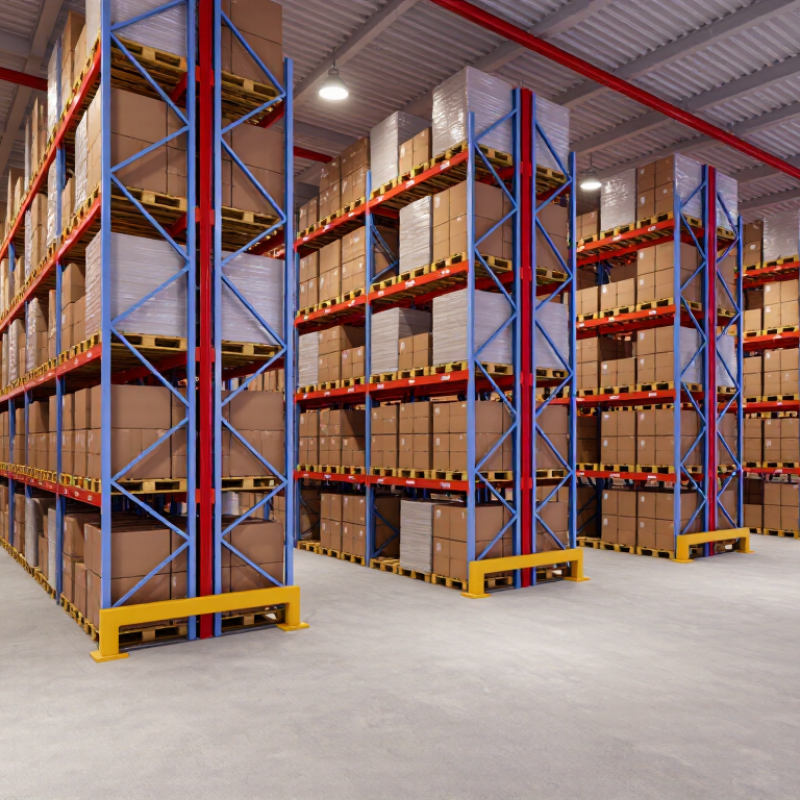
7 Wide Aisle Pallet Racking Tips for Global Buyers

Wide Aisle Pallet Racking: Definition and Core Applications

Wide aisle pallet racking is a storage system designed for direct forklift access to every pallet position. Its structure usually includes upright frames, horizontal beams, and adjustable levels. Aisle widths commonly range from 3.0 to 3.7 meters, depending on the forklift model and turning radius. This layout prioritizes accessibility over maximum storage density.

It fits distribution centers, manufacturing warehouses, spare-parts facilities, and temperature-controlled storage areas. Operators can locate individual pallets quickly without moving stock in front. That matters for mixed inventory, frequent picking, and strict stock rotation. In a working warehouse, beam labels, visible load plates, and clear floor markings reduce daily confusion. Small details matter.

Global buyers should check pallet dimensions, unit loads, floor flatness, and local safety requirements before selecting a configuration. Rack capacity depends on beam span, upright height, pallet overhang, and loading method. A wider aisle may improve handling but reduce the number of storage positions. This trade-off is easy to underestimate. A site survey should include forklift trials, emergency routes, sprinkler clearance, and future inventory changes. Some plans look efficient on paper but fail when operators turn with damaged pallets or uneven loads. Engineers should verify calculations and installation quality rather than rely only on catalog dimensions.

Assessing Warehouse Capacity, Load Requirements, and Aisle Dimensions

Wide-aisle pallet racking remains practical for mixed loads and frequent forklift access. Begin with a measured capacity audit. Record floor area, clear height, columns, doors, sprinklers, and emergency routes. MHI’s 2024 Annual Industry Report found that 83% of supply-chain leaders planned to increase technology investment. That trend makes accurate warehouse data more valuable, not less.

Calculate pallet positions after deducting columns, staging zones, and safety clearances. Do not use the building’s full volume. Check pallet height, weight, overhang, and load stability for every stock-keeping unit. A 1,000-kilogram pallet needs a different beam configuration from a fragile 300-kilogram load. Request certified load tables from the rack engineer. Confirm floor slab capacity with the building engineer. OSHA 29 CFR 1910.176(b) requires stored materials to remain stable and secure.

Set aisle widths around the actual forklift, turning radius, and operator visibility. Wider aisles improve access but reduce storage density. Narrowing them may create daily delays or collision risks. Keep sprinkler clearance and inspection access visible. Mark pedestrian paths with durable floor lines. Leave room. Future inventory often grows faster than expected. In one planning review, our first layout looked efficient but failed during peak receiving. That mistake was preventable. Recheck the design with live pallets, not only CAD drawings. MHI data supports digital investment, but software cannot correct poor measurements. Measure twice. Then test one rack bay before expanding globally.

7 Wide Aisle Pallet Racking Tips for Global Buyers: Assessing Warehouse Capacity, Load Requirements, and Aisle Dimensions

This planning model compares common wide-aisle layouts in a 1,000 m² warehouse using standard 1,200 × 1,000 mm pallets, four rack levels, and approximately 85% usable floor efficiency. Wider aisles generally improve forklift maneuverability but reduce the number of available pallet positions. Confirm the final layout with a qualified racking engineer after checking floor strength, rack height, fire protection, seismic conditions, and actual forklift specifications.

Selecting Racking Materials, Components, and Storage Configurations

7 Wide Aisle Pallet Racking Tips for Global Buyers

Selecting Racking Materials, Components, and Storage Configurations

Wide-aisle racking begins with the building, not the catalogue. Measure clear height, slab capacity, column positions, sprinkler clearance, and floor flatness. MHI’s 2024 Annual Industry Report states that 55% of supply-chain leaders plan to increase innovation investment. That investment should improve usable capacity, not create expensive complexity. Choose certified structural steel with traceable grades and documented yield strength. Powder coating suits dry facilities, while galvanized finishes perform better in humid or corrosive areas.

Steel is not enough.

Specify uprights, beams, baseplates, anchors, row spacers, column guards, and load plaques as one engineered system. Beam connectors must match the frame design, not merely fit visually.

Wire decking can improve load visibility and reduce misplaced pallets. Still, it cannot compensate for damaged pallets or uneven loading.

Request test data, welding procedures, coating thickness, and seismic calculations where required. ISO 9001 certification supports process reliability, but it does not replace project-specific engineering.

A practical wide aisle often measures about 3.0 to 3.7 metres, depending on the forklift and pallet size. Confirm turning radius with the actual truck model, including battery weight and mast height.

Separate fast-moving stock from reserve inventory, then compare single-deep and back-to-back rows. Local fire codes, seismic rules, and import standards may change the final configuration.

One uncomfortable lesson remains: the lowest quotation can hide missing guards, weak documentation, or costly installation changes.

Measure twice. Recheck the assumptions before ordering.

Comparing Global Suppliers, Compliance Standards, and Total Costs

Global buyers should compare seven practical points before choosing wide aisle pallet racking: load capacity, beam deflection, steel grade, adjustability, inspection support, delivery reliability, and documentation. A supplier’s low quotation may hide freight, customs duties, installation, and future repair costs. World Bank’s 2023 Logistics Performance Index assessed 139 economies, showing major differences in customs efficiency and delivery reliability. Location matters.

Request engineering calculations for every pallet position, not only a catalog load chart. Verify compliance with local building, fire, and seismic requirements.

European projects commonly reference EN 15635, while North American projects may use ANSI MH16.1. These standards address design, installation, inspection, and safe operation.

ISO 9001 certification can support process control, but it does not prove that a rack design fits your warehouse. Check the evidence.

Ask for material certificates, welding records, coating specifications, and traceable test results. Compare suppliers using a landed-cost worksheet over ten years. Include unloading equipment, floor repairs, annual inspections, replacement beams, and downtime after damage.

MHI’s 2024 Industry Report indicates that supply-chain technology investment remains a major priority for many companies, so rack layouts should allow future automation or sensor upgrades. That assumption can be wrong.

Leave practical clearance around columns and turning zones. Small design errors become expensive when forklifts meet tight aisles.
Get local engineering review before purchase.

Planning Installation, Safety Controls, and Long-Term Maintenance

Wide aisle pallet racking supports flexible warehouse operations, but good results begin before delivery. Measure clear heights, floor levels, column positions, and forklift turning paths carefully. Confirm pallet dimensions, maximum loads, beam spacing, and future inventory changes with a qualified storage engineer. Installation should follow approved drawings and local building requirements. Anchors must match the floor slab, not just the rack design. Leave enough clearance around sprinklers, lighting, doors, and emergency routes.

Tip: Mark every bay on the floor before assembly. This simple step exposes layout errors early. Installers should check frame plumb, beam engagement, locking pins, and anchor torque. Record these checks with photographs and signed inspection forms. Plans are rarely perfect in practice. A late door change or uneven slab can affect the entire aisle. Stop installation when field conditions differ from the drawings.

Safety controls must remain visible after commissioning. Display load notices at readable height, protect exposed frames near traffic, and separate pedestrians from forklifts where possible. Train operators using the actual aisle layout, including restricted speeds and damaged-rack reporting. Inspect racks after impacts, relocation, or unusual loading. Monthly visual checks are useful, but frequency should reflect traffic and risk. Replace bent components promptly; temporary straightening is unsafe. Keep a maintenance log with dates, findings, repairs, and responsible personnel. Corrosion, loose anchors, and missing safety pins deserve immediate attention. Small defects become expensive quickly.

FAQS

What is wide aisle pallet racking?

It is a rack system that gives forklifts direct access to every pallet position. Aisles often measure 3.0 to 3.7 meters. Accessibility comes before maximum storage density.

Which warehouses benefit from this storage system?

It suits distribution centers, manufacturing sites, spare-parts storage, and temperature-controlled areas. It works well with mixed inventory and frequent pallet picking. Operators can reach individual pallets without moving nearby stock.

How should aisle width be selected?

Match the aisle to the forklift model, turning radius, pallet size, and load condition. Test real turning movements before approval. A damaged pallet may need extra space.

What information is needed before designing the racks?

Measure pallet dimensions, unit loads, floor flatness, clear height, columns, doors, and emergency routes. Check sprinkler and lighting clearances. Include future inventory changes.

How can buyers compare suppliers fairly?

Compare capacity, beam deflection, steel quality, adjustability, documentation, delivery, and inspection support. Calculate landed cost over ten years. Include freight, installation, repairs, floor work, and downtime.

What technical documents should buyers request?

Request engineering calculations for every pallet position. Also request material certificates, welding records, coating details, and traceable test results. Catalog charts alone are not enough.

What should installers check during assembly?

Mark every bay on the floor before assembly. Check frame plumb, beam locks, safety pins, and anchor torque. Stop work when site conditions differ from approved drawings.

How can the rack system remain safe after installation?

Display readable load notices and protect frames near forklift traffic. Separate pedestrians where practical. Inspect after impacts, relocation, or unusual loading. Bent parts need prompt replacement. Temporary straightening is unsafe.

How often should pallet racks be inspected?

Perform regular visual checks, with frequency based on traffic and risk. Record dates, defects, repairs, and responsible personnel. Loose anchors, corrosion, and missing pins need immediate attention.

Can wide aisles support future warehouse automation?

They can provide useful clearance for sensors, equipment, and layout changes. Leave space around columns and turning zones. That assumption may be wrong without a future operations review.

Conclusion

Wide Aisle Pallet Racking is a flexible storage solution designed for warehouses that prioritize direct access to individual pallets, efficient forklift movement, and adaptable inventory management. Successful planning begins with evaluating available floor space, ceiling height, inventory turnover, pallet dimensions, and expected load weights. Aisle width should be matched to the selected handling equipment, while rack height and bay configuration should support both capacity goals and safe operation. Material quality, frame strength, beam design, protective components, and storage layout should also be considered to create a reliable system suited to daily warehouse demands.

For global buyers, supplier comparisons should cover product consistency, technical documentation, applicable safety standards, delivery capability, installation support, and total ownership costs rather than purchase price alone. A complete project plan should include professional installation, floor and anchoring checks, load signage, operator training, impact protection, and routine inspections. Preventive maintenance and timely replacement of damaged parts can extend service life, reduce operational risks, and help maintain stable storage performance as warehouse requirements change.

Oliver

Oliver

Oliver is a professional marketing specialist with a strong understanding of the company’s products, customer needs, and industry trends. With a practical approach to communication and a passion for clear, valuable content, he regularly contributes expert articles to the company’s website, covering......