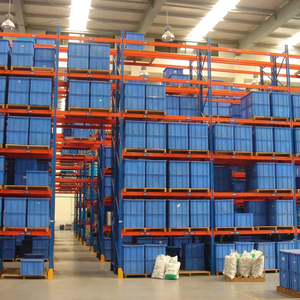
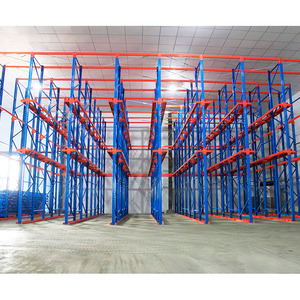
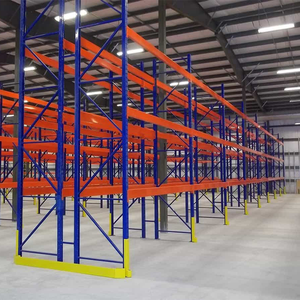
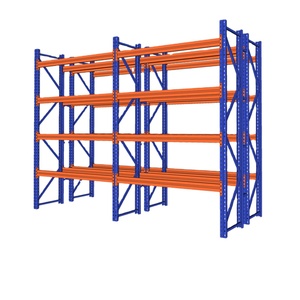
As the principal maritime and intermodal logistics gateway of the Pacific Northwest, the Greater Seattle metro area—encompassing critical supply chain corridors across the Kent Valley, Port of Seattle, Renton, Auburn, and Fife—demands highly specialized warehouse infrastructure. Logistics operators, third-party logistics (3PL) providers, cold-storage facilities, and aerospace/technology distribution hubs operate under severe industrial real estate supply constraints, elevated cost-per-square-foot metrics, and stringent municipal building codes.
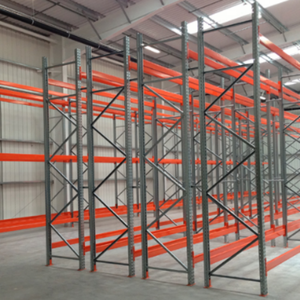
Securing high-performance warehouse racking systems requires more than standard off-the-shelf steel shelving. Enterprise operations require structural steel pallet racks (such as heavy-duty channel SK3000 configurations) and high-rigidity boltless closed-tubular uprights (SK2000 systems) specifically engineered to sustain continuous forklift impact, resist high dynamic load stress, and fully comply with the Seattle Department of Construction and Inspections (SDCI) and International Building Code (IBC) seismic standards.
Technical Perspective: Seismic Category D & E Engineering in King County
Because the Puget Sound basin is subject to significant subduction zone seismic risks, storage rack installation permits in Seattle require rigorous engineering calculations. Storage rack columns, footings, and frame bracing must absorb dynamic horizontal base shear force ($V = C_s W$). FlexBeam's engineering department custom-calculates baseplate surface contact area, anchor bolt embedment depth (utilizing heavy-duty wedge or epoxy anchors), and upright section modulus ($Z_x$) to deliver fully certified load capacity plaques for local permit sign-offs.
Technical Matrix: Pallet Rack Systems for Pacific Northwest Facilities
Evaluating storage systems requires balancing volumetric density against SKU accessibility. The table below outlines structural specifications across primary logistics rack architectures implemented in regional distribution centers.
Storage System Type
Structural Profile
Pallet Density
Stock Rotation Method
Seismic Resistance Rating
Primary Seattle Industry Application
Selective Pallet Racking (SK2000)
Closed Structural Tubular Column
Standard (100% Selective)
FIFO / LIFO Direct Access
High Dynamic Impact
High-SKU E-Commerce, Retail Distribution, General Warehousing
Structural Channel Rack (SK3000)
Hot-Rolled Structural C-Channel Steel
Heavy-Duty Selective
FIFO Direct Access
Maximum Structural Rigidity
Cold Storage Freezers, Port Freight Terminals, Heavy Machinery
Localized Application Scenarios Across Pacific Northwest Logistics Hubs
Port of Seattle & Logistics Corridors
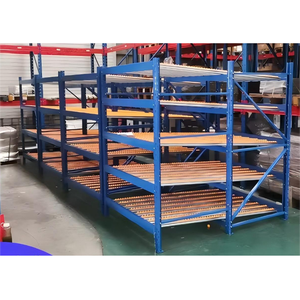
Over-dock rack configurations, heavy structural steel pallet systems, and wire mesh deck platforms optimized for rapid container stripping, cross-docking, and marine freight staging adjacent to Terminal 18 and Terminal 46.
Kent Valley Cold Storage & Seafood
Structural hot-rolled steel racking designed specifically for sub-zero freezer operations. Resistant to fork-truck collisions in low-visibility environments and chemical washdowns needed for salmon and seafood processing.
High-Tech & Aerospace Parts Fulfillment
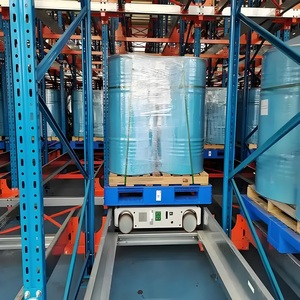
Multi-level pick modules with integrated work platforms, narrow-aisle selective racking, and automated radio shuttle systems providing precision inventory control for regional advanced manufacturing supply chains.
Regional Industry Trends Shaping Seattle Warehouse Infrastructure
Modern distribution centers in King and Pierce counties are undergoing fundamental shifts driven by land availability limitations and elevated energy tariffs. Key trends transforming local industrial racking include:
Vertical Cubic Optimization (High-Bay Racking): With industrial land prices in Renton, Tukwila, and Sumner reaching historic highs, facilities are utilizing clear height allowances up to 40+ feet, requiring high-slenderness-ratio upright frames engineered for top tie-in stability and seismic drift mitigation.
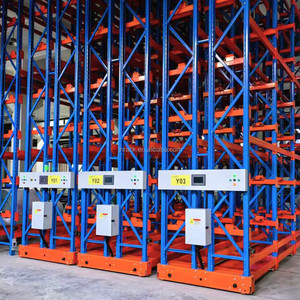
Automation-Ready Infrastructure: Rapid adoption of Radio Four-Way Shuttle Racks and Electric Mobile Racking Systems that interface with Autonomous Mobile Robots (AMRs) and automated guided vehicles (AGVs), quadrupling storage capacity without expanding building footprint.
Moisture & Corrosion Protection: Given the Pacific Northwest’s high ambient humidity and marine salt exposure near coastal ports, hot-dip galvanization and advanced electrostatically applied epoxy powder coatings are essential to prevent corrosion on beam connectors and floor anchor assemblies.
Why Leading Enterprise Buyers Partner with FlexBeam Manufacturing
FlexBeam Warehouse Equipment Co., Ltd. delivers direct factory engineering, custom fabrication, and international project export execution for heavy-duty material handling. Unlike local distribution middlemen, our factory offers:
1. Superior Structural Steel Alloys
Certified high-yield structural steel profiles (Q235B/Q355B) yielding up to 250% higher frame torsional strength compared to thin open roll-formed steel.
2. Patent Closed-Tubular Uprights
Exclusive SK2000 closed tubular frame geometry that absorbs forklift corner impacts that traditionally rupture standard open C-section columns.
3. Comprehensive Engineering Support
Turnkey CAD layout design, Finite Element Analysis (FEA) structural simulations, stamped structural calculations, and export bundling labeled for seamless installation.
Seattle Procurement & Engineering FAQ
Technical guidance for logistics managers, facility engineers, and purchasing teams acquiring industrial racking in the Seattle metropolitan area.
What permits are required for installing pallet racking in Seattle warehouses?
In Seattle and surrounding King County jurisdictions, any pallet racking installation exceeding 5 feet 9 inches in height requires a structural building permit issued by the Seattle Department of Construction and Inspections (SDCI) or the local city building department. Submissions must include detailed architectural CAD floor plans, structural anchor calculations, slab load-bearing capacity verification by a licensed engineer, and seismic calculations conforming to IBC/ASCE 7 standards.
How does seismic design category D/E affect pallet rack engineering in the Pacific Northwest?
Due to the Cascadia Subduction Zone, Seattle is classified under high Seismic Design Categories (SDC D through F). Racking systems engineered for this area require significantly larger, thicker baseplates, heavy-duty structural anchors, expanded upright column profiles, and heavy-gauge diagonal seismic bracing to prevent structural frame collapse during ground acceleration events.
What is the engineering advantage of closed tubular uprights over open roll-formed columns?
Closed tubular columns (such as FlexBeam’s SK2000 specification) feature 44 times more torsional resistance than open C-channel sections. When struck sideways by heavy forklifts in busy aisles, closed-section columns distribute dynamic energy across the entire tube profile, dramatically reducing localized bucking and preventing disastrous rack collapses.
Which pallet storage layout delivers the highest density for cold storage freezers in Kent Valley?
For cold storage environments where operating costs per cubic foot are extremely high, Drive-In, Pushback, or Four-Way Radio Shuttle systems offer the highest storage density. Radio Shuttle racking eliminates fork truck entry into cold storage lanes, maximizing vertical cubic space while protecting structural racking frames from forklift strikes.
What slab requirements are necessary to anchor heavy-duty structural pallet racks?
Standard heavy-duty structural racking typically requires a non-reinforced or reinforced concrete slab with a minimum thickness of 6 inches and a compressive steel/concrete strength of 3,000 to 4,000 PSI. For high-bay structural installations or seismic anchor embedment depths exceeding 4 inches, soil compaction reports and concrete core testing may be specified by structural engineers during permitting.
How are overseas container shipments bundled and documented for local jobsite delivery?
All upright frames, step beams, wire decking, and hardware are heavy-duty bundled with protective steel strapping, corner guards, and weatherproof wrapping. Component bundles are labeled by code matching the supplied CAD installation drawings and load capacity documentation, ensuring straightforward customs clearance and rapid site assembly by local riggers.
Transform Your Logistics Facility Storage Capacity
Contact our structural engineering team today for custom floor plan layouts, seismic compliance analysis, and factory-direct wholesale quotations.