


Explore China's premier manufacturer catalog of multi-tier pallet racking systems, structural steel work platforms, and automated FIFO/LIFO high-density storage hardware engineered to ANSI MH16.1, ISO 9001, and FEM 10.2.02 standards.
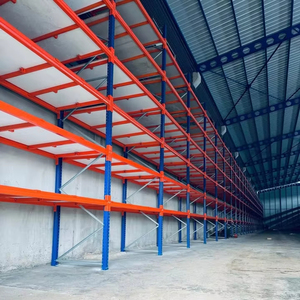
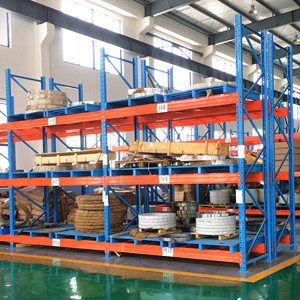
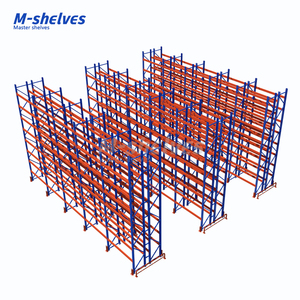
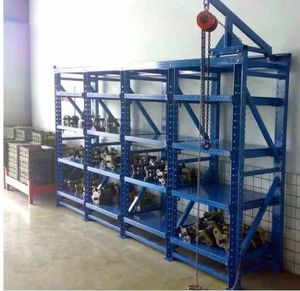
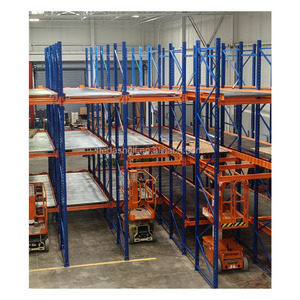
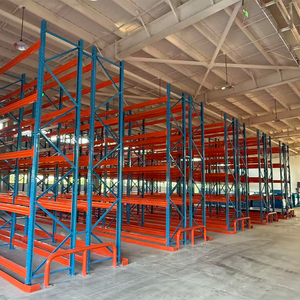
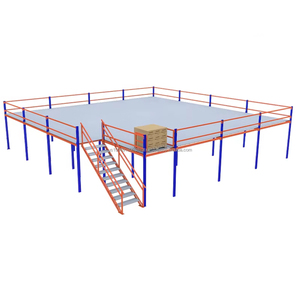
In modern industrial logistics, vertical cubic space utilization is the single most crucial leverage point for minimizing operational expenditure (OpEx) and real estate footprints. As global supply chains consolidate, multi-tier pallet racking systems—often manufactured as structural steel platforms, rack-supported mezzanines, or high-bay pick modules—have emerged as the definitive structural solution for fulfillment hubs, cold storage facilities, and high-density industrial plants.
Leading Chinese multi-tier pallet racking manufacturers engineered these frameworks to bridge the structural divide between lightweight roll-formed racking and heavy-duty structural steel buildings. By converting vertical space into multiple operational floor levels, enterprise facility managers can double or triple usable floor surface area without expanding building footprints.
Core Structural Standard Compliance: Top-tier Chinese racking factories design multi-tier systems strictly in compliance with ANSI MH16.1 (Specification for the Design, Testing and Utilization of Industrial Steel Storage Racks), EN 15512:2020 (European Standard for Steel Static Storage Systems), and AS 4084 (Australian Standard for Steel Storage Racking).
The structural integrity of a multi-tier pallet rack hinges upon rigorous Finite Element Analysis (FEA) and dynamic stress simulations under maximum live and dead loading conditions:
Selecting the optimal pallet racking configuration requires balancing inventory turnover velocity, SKU counts, pallet dimensions, and capital expenditure (CapEx) per pallet position. The comparative matrix below outlines structural metrics across core high-density multi-tier formats:
| Racking Architecture | Storage Density | SKU Selectivity | Load Capacity (per Tier) | Inventory Rotation | Optimal Industry Application |
|---|---|---|---|---|---|
| Multi-Tier Pick Modules | High (Vertical) | 100% Direct Access | 300 - 1,200 kg/m² | FIFO / Flexible | E-Commerce Fulfillment, Auto Parts, Retail Distribution |
| Structural Steel Mezzanine | Maximum Floor Area | 100% Direct Access | 500 - 2,500 kg/m² | N/A (Floor Space) | Workshops, Assembly Lines, Bulk Stacking |
| Drive-In / Drive-Through Racking | Ultra-High (85%) | Low (Block Storage) | 1,000 - 1,800 kg/pallet | LIFO (Drive-In) / FIFO | Cold Storage, Seasonal Bulk Goods, FMCG |
| Pallet Flow Gravity Rack | Very High (75%) | Medium (Per Lane) | 1,000 - 1,500 kg/pallet | Strict FIFO | Perishable Goods, Pharmaceuticals, Food & Beverage |
| Push-Back Cart Racking | High (65%) | Medium (Per Lane) | 500 - 1,200 kg/pallet | LIFO | Cold Stores, Medium-Velocity SKU Buffering |
Constructed utilizing premium structural carbon steel with yield strengths exceeding 355 MPa, ensuring long-term structural resistance against axial compression, buckling, and dynamic cyclic forklift shock.
Engineered with precision-stamped 3 to 4-hook connector brackets with integrated automatic safety lock pins that physically prevent accidental beam dislodgement during high-speed pallet elevation.
Surface pretreatment involves a 9-stage chemical washing and phosphating process, followed by thermosetting pure epoxy-polyester powder application cured at 200°C for anti-scratch durability and salt-spray resistance.
The global industrial storage manufacturing landscape is undergoing a massive technological shift. Procurement officers and B2B supply chain managers sourcing multi-tier pallet racking from China are prioritizing factories that integrate advanced automation, material reduction through high-yield steel chemistry, and sustainability standards.
Modern multi-tier racking systems are no longer designed solely for human order pickers or traditional forklifts. Contemporary engineering incorporates specialized floor deck substrates—such as high-density steel grating overlaid with 18mm high-durability fiberboard or steel composite panels—engineered to handle point-load rolling pressures of AMRs and Automated Guided Vehicles (AGVs). Radio Shuttle cart channels are directly integrated into multi-tier pallet flow racks to achieve automated 3D dense storage.
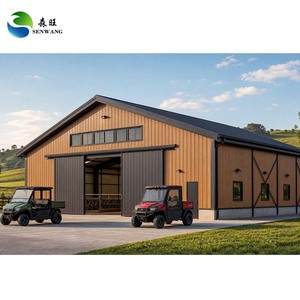
Leading Chinese OEM factories are experiencing heightened demand for Rack-Supported Buildings (Clad-Rack Systems). In these installations, the multi-tier steel racking framework serves as the structural skeleton supporting the building's roof structure and exterior wall cladding. This eliminates the necessity for conventional structural steel building columns, slashing construction lead times by up to 35% and total capital outlay by 20% to 30%.
Safety compliance standards are moving toward real-time structural monitoring. Chinese tier-1 manufacturers are embedding optical strain sensors, micro-electromechanical inclination sensors, and piezoelectric shock sensors into heavy-duty upright columns. These IoT devices deliver automated alerts to warehouse managers upon detecting dangerous column impacts, beam overloads, or foundation tilt, substantially reducing catastrophic structural collapse risks.
China remains the undisputed epicenter for global steel fabrication and engineering innovation. Sourcing multi-tier pallet racking directly from premier Chinese OEM/ODM production facilities offers unmistakable strategic advantages for international buyers:
Quality Assurance Protocol: Factory Quality Control (QC) teams perform non-destructive weld testing (NDT), ultrasonic thickness gauging, cross-hatch paint adhesion tests (ISO 2409), and full-scale physical destructive load testing on beam-column connections to verify safety coefficients (typically 1.5 to 1.95).
To formulate an exact structural engineering drawing and commercial quote, we require: (1) Architectural floor plan (CAD format) indicating clear building height under trusses, floor slab thickness, and column grid placement; (2) Pallet dimensions (Length x Width x Stacking Height including goods) and maximum gross weight per pallet; (3) Forklift operational specs including maximum lift height, turning radius, and aisle width requirements; (4) Desired picking method (manual, conveyor, AMR) and inventory rotation model (FIFO/LIFO); (5) Local seismic zone ratings and environmental parameters (ambient vs cold storage).
Cold-rolled profile racking (e.g., SK2000 style tubular uprights) is produced by roll-forming sheet steel at room temperature. It delivers an outstanding strength-to-weight ratio, exceptional geometric precision, and lower cost, making it ideal for standard selective and multi-tier pick modules. Hot-rolled structural channel racking (e.g., SK3000 style structural steel) utilizes heavy hot-rolled C-channels. It offers extreme structural durability against violent forklift impact, rendering it the preferred choice for heavy-duty drive-in systems, high-traffic distribution centers, and extreme abuse environments.
Tier-1 Chinese manufacturers employ dedicated structural engineering departments fluent in international design standards. Systems designed for North America strictly follow ANSI MH16.1 (RMI) specs using steel meeting ASTM A1011 or equivalent grades. European market shipments comply with EN 15512:2020 structural calculations, backed by independent third-party physical testing certificates from international inspection bodies such as SGS, TÜV Rheinland, or Bureau Veritas.
We supply five primary decking substrates tailored to operational demands: (1) Heavy-Duty Galvanized Steel Grating – max airflow, light penetration, and fire sprinkler compliance; (2) Plain or Checker Steel Plate – maximum durability for heavy point loads and pallet jacks; (3) Perforated Steel Decking – balances solid walking surface with fire safety code compliance; (4) High-Density Particle Board / MDF with Steel Underlayment – cost-effective for manual order picking; (5) Fiber Cement / Composite Boards – non-combustible chemical-resistant flooring.
All structural members are prepared for harsh maritime shipping environments. Upright frames and beams are tightly bundled using heavy plastic strapping over protective corrugated corner pads, resting on custom timber or steel skids designed for easy container loading and unloading via forklift. Small hardware, bolts, footplates, and connectors are packed in heavy-duty wooden crates or reinforced 5-ply cartons strapped to pallets, complete with moisture-absorbing desiccant packs and protective plastic wrapping.
Standard factory manufacturing lead time is 20 to 35 days depending on total project tonnage (e.g., 50 to 500 tons). Upon order confirmation, detailed 3D shop drawings are finalized within 5 business days. Once components arrive on site, assembly is facilitated by comprehensive 3D isometric installation drawings, step-by-step manuals, and component marking labels. For major projects, we provide remote video engineering support or dispatch qualified installation supervisors directly to your job site.
Transform your high-bay warehouse efficiency. Submit your building layout, floor plan, or project specifications today for a complimentary 3D CAD layout design, structural engineering review, and competitive factory-direct quote.