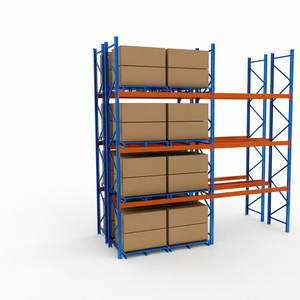


Engineered to international structural standards (ANSI MH16.1, EN 15512, FEM 10.2.02, AS 4084) for maximum bay load capacity, impact resistance, and dynamic SKU flow speed.
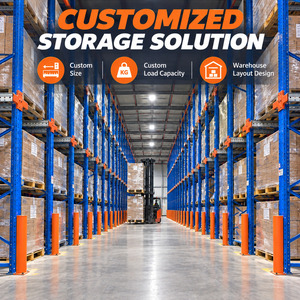
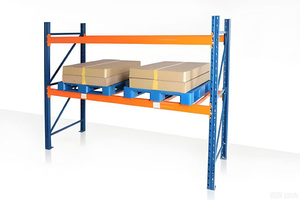
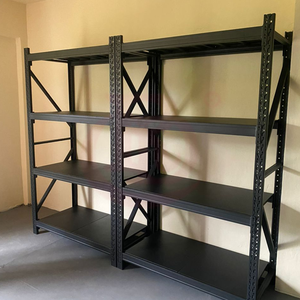
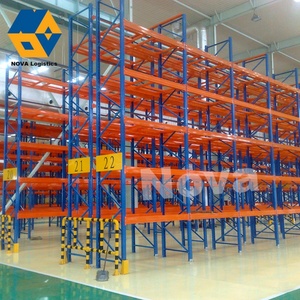
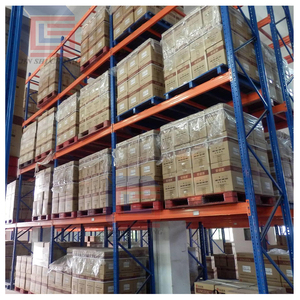
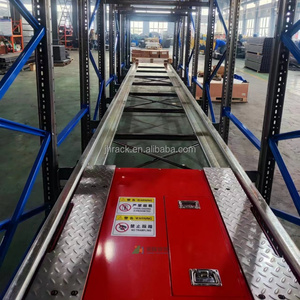
Global e-commerce fulfillment infrastructure is experiencing a structural migration from passive bulk storage to high-velocity, high-density, multi-tier fulfillment engines. Driven by rapid order processing cycles, micro-fulfillment demands, and explosive SKU expansion, enterprise logistics leaders require industrial pallet racking systems that go beyond static structural support. Today’s rack designs must actively accommodate automated guided vehicles (AGVs), autonomous mobile robots (AMRs), high-speed shuttle automation (AS/RS), and intense forklift traffic with zero structural deformation.
This technical whitepaper provides B2B procurement managers, logistics structural engineers, and industrial warehouse architects with an objective engineering analysis of the top manufacturing factories and global exporters specializing in e-commerce pallet racking systems. By analyzing steel metallurgy standards, structural column geometries, dynamic loading stress points, and seismic safety coefficients, this document serves as a definitive procurement framework.
Key Procurement Insight: Steel geometry directly dictates long-term operating expenditure. Utilizing closed-section boltless tubular uprights (e.g., FlexBeam SK2000 engineering) yields up to 250% higher resistance to forklift fork impacts compared to standard open-back roll-formed C-channels, dramatically cutting rack repair downtime in 24/7 fulfillment centers.
Choosing the optimal pallet racking configuration requires balancing space utilization against SKU access velocity. E-commerce fulfillment hubs typically demand a hybrid approach, combining 100% selective racking for fast-moving picking zones with dynamic pushback or shuttle systems for overflow reserve storage.
| Racking System Type | Storage Density | SKU Access Selectivity | Inventory Rotation | Forklift / Automation Compatibility | Optimal E-commerce Use Case |
|---|---|---|---|---|---|
| Selective Pallet Racking | Base (1.0x) | 100% Direct Access | FIFO / LIFO Flexible | Standard Reach, Counterbalance, VNA | High SKU diversity, dynamic picking zones |
| SK2000 Tubular Boltless | Medium-High (1.3x) | 100% Direct Access | FIFO / LIFO Flexible | High-Traffic Reach Trucks, AGVs | Heavy-duty impact zones, 24/7 fulfillment |
| SK3000 Structural Steel | Maximum Heavy Duty | 100% Direct Access | FIFO / LIFO Flexible | Heavy Industrial, Heavy Forklifts | Cold storage, extreme weight, rough sites |
| Pushback Racking (2-6 Deep) | High (2.2x) | 20% - 50% Selective | LIFO (Last-In, First-Out) | Standard Forklifts (No lane entry needed) | Medium SKU velocity, batch storage |
| Pallet Flow / Gravity Racking | Very High (2.5x) | Strict Lane Selective | Strict FIFO | Dedicated Load / Unload Aisles | Perishable food, date-coded e-commerce |
| Radio Pallet Shuttle AS/RS | Ultra High (3.5x) | Automated Lane Control | FIFO / LIFO Software Controlled | Autonomous Shuttle + AGV / Lifter | Fully automated cold chain & dark stores |
A granular look at the structural steel fabrication standards, quality assurance protocols, and engineering innovations behind global supply chain success.
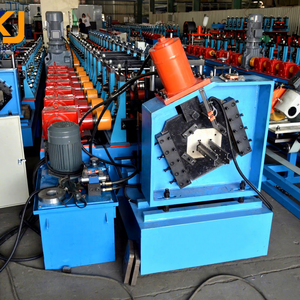
FlexBeam structural racking components utilize premium certified high-tensile cold-rolled steel (Q235B and Q355B structural channels). Each heat lot undergoes rigorous tensile stress testing to guarantee structural elasticity under maximum load deflection limits (exceeding L/240 specs).
Unlike conventional open roll-formed C-channel uprights vulnerable to lateral twisting upon impact, the SK2000 boltless tubular column provides 44 times greater torsional resistance and 50% more frontal impact durability, dramatically extending lifespan in aggressive distribution centers.
Every beam connector, column baseplate, and structural brace is joined using fully automated robotic MIG welding setups. Finished racks receive a 9-stage phosphate wash followed by electrostatic thermosetting epoxy powder coating (80-120 μm thickness) for exceptional corrosion resistance.
All warehouse storage designs undergo full Finite Element Analysis (FEA) testing, engineered to withstand high seismic acceleration forces according to US RMI ANSI MH16.1, European EN 15512, and Australian AS 4084 guidelines, complete with certified stamped engineer calculations.
Export packaging is engineered to eliminate transit damage. Component bundles are color-coded, steel-strapped with corner protection, and optimized for maximum cube utilization inside 40ft High Cube containers, minimizing international freight cost per pallet position.
Each shipment includes certified load capacity documentation, assembly shop drawings, and OSHA/ANSI compliant visible load plaques stating maximum allowed beam loads, frame capacities, and unit load safety guidelines for complete site compliance.
As retail supply chains accelerate their transition toward omnichannel fulfillment, several technological shift vectors are re-shaping the specifications of warehouse racking procurement:
Traditional racking relied solely on human-operated forklift clearances. Modern e-commerce sites require narrow-aisle racking modified with integrated floor guide rails, reflective positioning targets, and wide tunnel clearances to allow Autonomous Mobile Robots (AMRs) to navigate smoothly beneath lower beam levels without signal blockage or collision risks.
Online grocery delivery explosion has led to massive demand for cold room storage racking systems. Standard cold-rolled carbon steel exhibits brittle fracture risks at temperatures below -20°C. Advanced exporters now specify micro-alloyed Q355 structural steels with low-temperature impact toughness, combined with specialized anti-microbial epoxy coatings designed to withstand constant condensation and thermal cycling.
To maximize vertical cubic space, e-commerce giants are shifting from single-level floors to multi-tier pick modules (up to 4 or 5 levels elevated). These structural towers combine heavy-duty pallet racking uprights with integrated catwalk mezzanine floors, carton flow tracks, and vertical reciprocating conveyors (VRCs), achieving pick rates exceeding 500 lines per hour per operator.
Predictive maintenance is entering the racking industry. Smart rack systems are now being embedded with piezoelectric strain sensors and wireless collision detection nodes on vulnerable upright baseplates. These sensors communicate real-time structural stress and impact data directly to the Warehouse Management System (WMS), alerting safety managers to hidden structural damage before catastrophic failure occurs.
Leading rack manufacturers are investing heavily in roll-forming precision technology and material science to lower self-weight while elevating ultimate load ratings:
Clear answers to critical engineering, regulatory, and logistics queries asked by enterprise buyers.
Connect directly with our senior structural engineering team. Receive customized CAD floor plans, structural capacity reports, and factory-direct export pricing within 24 hours.