


Factory-direct structural and boltless tubular rack configurations optimized for max pallet density and severe forklift duty cycles.
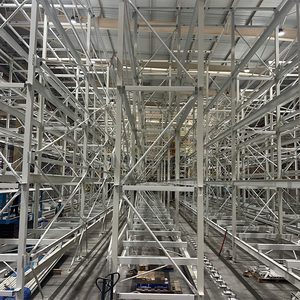
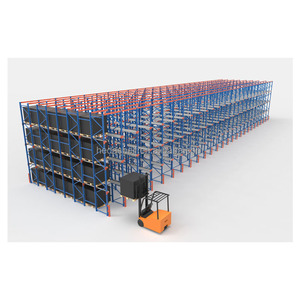
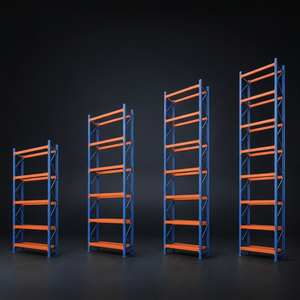
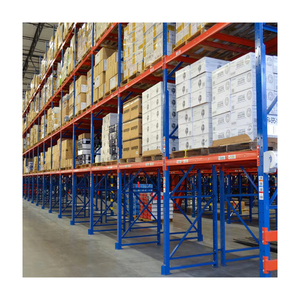
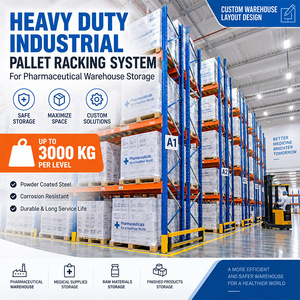
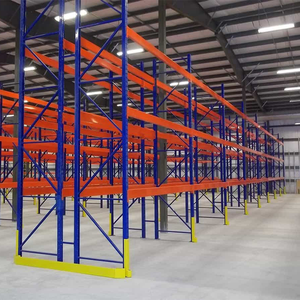
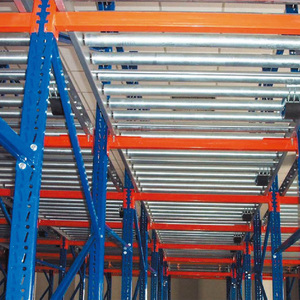
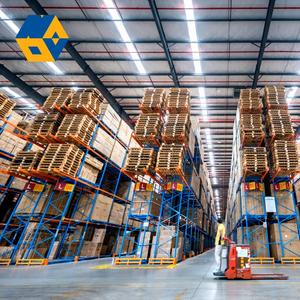
Modern distribution centers, 3PL logistics hubs, and cold-chain facilities are constantly forced to reconcile two conflicting operational imperatives: maximizing cubic floor space utilization while maintaining swift stock rotation and access to inventory. Standard selective pallet racking provides 100% immediate selectivity but wastes up to 60% of warehouse floor area on aisle access routes. High-density storage models such as Drive-In racking eliminate aisles almost entirely, but enforce strict LAST-IN-FIRST-OUT (LIFO) inventory management across entire bays, restricting SKU diversity.
Custom OEM Double Deep Pallet Racking bridges this crucial strategic gap. By storing pallets two-deep in a back-to-back structure, double-deep systems instantly eliminate 50% of the access aisles required by standard selective configurations, delivering a 30% to 40% increase in usable storage capacity within the identical building footprint. Navigated via double-deep reach trucks equipped with pantograph mechanisms or telescopic fork extenders, this system represents the optimal financial sweet spot for warehousing operations handling homogeneous SKUs with multi-pallet batch counts.
Because double-deep racking positions rear pallets further from the forklift mast centerline, it induces significant torsional stress and shear forces across the supporting steel beams and vertical upright frames. As a leading OEM exporter, our engineering design process incorporates rigorous FEA (Finite Element Analysis) stress simulations to evaluate:
Why leading global enterprise buyers partner with FlexBeam for tailored structural storage projects.
Fabricated from certified high-tensile steel (Q235B / Q355B or ASTM A36 / Grade 50). We tailor beam thickness from 1.5mm to 3.0mm+ to absorb heavy dynamic impact loads in high-bay settings.
Engineered strictly to satisfy regional seismic zone regulations and national standards including US RMI (ANSI MH16.1), European EN 15512:2020, and Australian AS 4084-2023.
Thermosetting epoxy electrostatic powder coating (60–80 µm thickness) or hot-dip galvanizing options designed to resist abrasion, chemical sanitizers, and sub-zero freezer corrosion down to -30°C.
Reinforced column protectors, heavy-duty floor-anchored bullnose guards, and heavy channel rub rails mitigate expensive forklift impact damage, reducing long-term lifecycle maintenance costs.
Component-level barcode labeling, bundled structural upright nesting, VCI anti-corrosion container wraps, and complete engineering CAD assembly blueprints included with every export shipment.
Choosing the correct high-density warehouse storage configuration requires balancing Pallet Density against Individual SKU Selectivity and machinery investment costs. Below is an engineering evaluation comparing OEM Double Deep Racking against standard warehouse storage formats:
| Storage System Type | Volumetric Space Density | Pallet Selectivity | Inventory Rotation | Forklift Equipment Requirement | CAPEX Cost Index |
|---|---|---|---|---|---|
| Standard Selective Rack | Base (40-45%) | 100% Immediate access | FIFO / LIFO Flexible | Standard Counterbalance / Reach Truck | Low (1.0x) |
| OEM Double Deep Pallet Rack | High (65-75%) | 50% Immediate access | LIFO (2-Pallet Batch FIFO) | Double-Deep Pantograph Reach Truck | Moderate (1.2x) |
| Pushback Rack (2-6 Deep) | Very High (75-80%) | Low per lane | LIFO strictly | Standard Forklift (Loads push carts) | High (2.2x) |
| Pallet Flow Gravity Rack | Ultra High (80-85%) | Low per lane | Strict FIFO (Dedicated drop/pick lanes) | Standard Forklift | Very High (3.0x) |
| Drive-In / Drive-Through | Maximum (85%+) | Lowest (Per lane/bay) | Strict LIFO | Specialized Narrow Counterbalance | Moderate (1.3x) |
For operations maintaining 2 to 4 pallets per distinct SKU line, Double Deep Pallet Racking provides the lowest cost-per-pallet position while dramatically improving storage cube performance without requiring complex mechanical cart or roller gravity systems.
As supply chains scale globally, procurement managers and warehouse engineering leads face changing operational dynamics. OEM Double Deep Pallet Racking systems are rapidly evolving to match new smart warehouse initiatives:
The global shortage of skilled material handling operators has accelerated the adoption of Autonomous Guided Vehicles (AGVs) and Automated Reach Trucks. Modern OEM double-deep systems require heightened manufacturing precision—with beam level tolerances within ±1.5mm—to ensure laser-guided automated forks accurately locate pallet entry slots at elevations exceeding 10 meters.
Refrigerated warehouse facilities represent some of the most expensive industrial real estate to operate per cubic meter. Maximizing air-space density directly reduces thermal loss per pallet stored. Custom double-deep structural racking manufactured from low-temperature certified steel alloys allows cold storage operators to maximize density while ensuring structural toughness at temperatures below -25°C.
Next-generation racking installations are featuring integrated load-cell micro-sensors and optical alignment guides. OEMs are embedding structural health monitor anchor points into upright baseplates to evaluate building settlement, seismic deflection events, and accidental impact fatigue in real-time.
Clear, authoritative engineering answers for project engineers, logistics planners, and international buyers.
Double deep racking requires specialized material handling equipment—typically a pantograph (scissor-extend) reach truck or a deep-reach forklift fitted with telescopic fork extensions. Additionally, because lifting capacity drops as the load center moves outward (from 600mm to 1200mm for the rear pallet position), forklifts must be rated to carry the targeted rear pallet weight at full lift height.
Due to higher post loads resulting from increased system density and concentrated front-to-back beam loading, warehouse concrete floor slabs must be verified by a structural engineer. High-bay double-deep installations (above 7 meters) typically require a flat floor profile (FF/FL numbers compliant with ACI 117 or TR34 Superflat standards) to prevent reach truck sway during high placement.
Yes. In many cases, standard upright frames and beams can be reconfigured back-to-back using specialized heavy-duty frame row spacers. However, because rear pallets require guide support, custom OEM double-deep installations often incorporate pallet guide rails or wire mesh decks to assist forklift operators with blind rear placement.
To deliver an accurate load calculation and layout, our engineering team requires: (1) Pallet dimensions (W x D x H) including overhang; (2) Maximum pallet weight per level; (3) Clear building height beneath sprinklers/joists; (4) Forklift model, maximum lift height, and outer turning radius; (5) Local seismic zone data; and (6) Ambient temperature conditions (e.g., ambient, cold storage, or freezer).
Export shipments undergo heavy-duty export packaging: upright frames are nested with protective corner blocks and steel-banded onto skids; step and box beams are bundled face-to-face with protective interlayers; small accessories are packed in reinforced wooden crates; and all steel components receive VCI (Vapor Corrosion Inhibitor) plastic wrapping for oceanic moisture protection.
As a global OEM direct supplier and specialized exporter of high-density industrial racking, FlexBeam combines high-precision automation with deep structural engineering expertise. Our state-of-the-art manufacturing facility includes continuous roll-forming lines, automated robotic welding cells, and eco-friendly powder coating plants capable of producing thousands of metric tons of structural steel storage products monthly.
Whether you are outfitting a new 50,000 m² distribution center, upgrading a cold storage facility, or sourcing specialized returnable container racks, FlexBeam delivers certified engineering, rigorous raw material selection, complete traceability, and reliable global delivery support.
Speak with our senior rack engineering team for a complimentary CAD layout review, load capacity analysis, and direct factory quotation for your upcoming project.