


Precision-engineered, heavy-duty industrial rack architectures manufactured to international load standards (ANSI MH16.1, FEM 10.2.02, EN 15512).
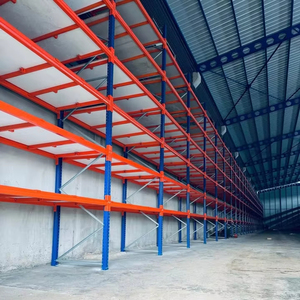
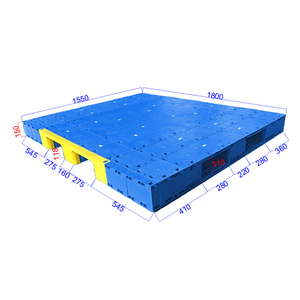
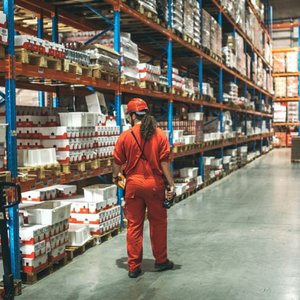
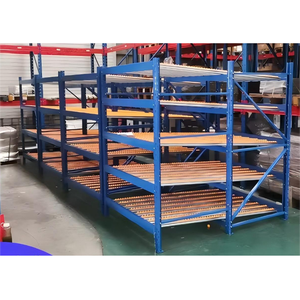
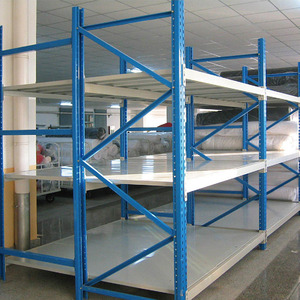
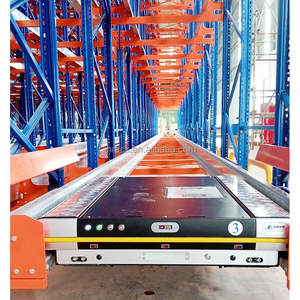
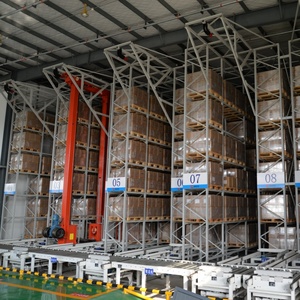
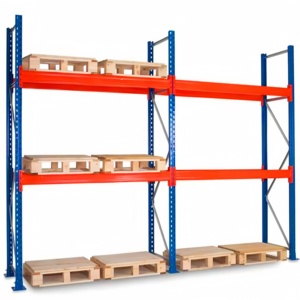
In modern industrial logistics, static storage real estate represents one of the highest capital expenditures per square meter. As global supply chains transition toward rapid throughput and high-density footprint optimization, enterprise procurement teams can no longer rely on conventional, wide-aisle selective rack configurations. Compact pallet racking systems—incorporating high-density structural paradigms such as Double-Deep, Pushback, Pallet Flow, Radio Shuttle, and automated AS/RS—deliver transformative volumetric efficiency by reclaiming up to 60% of wasted aisle space.
As a specialized OEM manufacturer and exporter, our engineering designs utilize premium cold-rolled Q235B steel and structural Q355B hot-rolled steel channel profiles. The choice between boltless tubular uprights and structural steel channels forms the foundation of facility safety and longevity:
Engineered with custom baseplate footprints and anchor patterns compliant with high-acceleration seismic zones under RMI ANSI MH16.1 standards.
Automated 5-stage iron phosphate pre-treatment paired with thermosetting epoxy-polyester powder coating for superior salt-spray and abrasion resistance.
Bespoke pitch adjustments (50mm, 75mm, 76.2mm), customized deck accessories, and heavy-duty upright column guards tailored to specific forklift fleets.
Selecting the optimal compact pallet rack architecture requires balancing SKU diversity, inventory rotation method (FIFO vs. LIFO), vertical clearance, and mechanical material handling equipment (MHE) budget.
| Storage System Type | Volumetric Density | Selectivity Rate | Inventory Flow | Primary Industrial Application |
|---|---|---|---|---|
| Selective Pallet Racking | Standard (40-50%) | 100% Direct Access | FIFO / LIFO | High SKU variety, fast-moving consumer goods (FMCG), third-party logistics (3PL). |
| Double-Deep Racking | High (60-65%) | 50% Immediate Access | LIFO | Multiple pallets per SKU, cold storage distribution, dry goods bulk storage. |
| Pushback Rack (Nested Carts) | Very High (70-75%) | Per-Lane Access | LIFO | Medium-velocity SKUs, food & beverage staging, high-density warehouse retrofits. |
| Pallet Flow Rack (Gravity Roller) | Maximum (80-85%) | Per-Lane Access | Strict FIFO | Perishables, pharmaceutical lot-control, high-volume production buffer staging. |
| Radio Shuttle Cart Racking | Ultra High (85-90%) | Programmatic Lane Access | FIFO / LIFO | Automated cold storage, mega distribution centers, low-labor footprint facilities. |
| AS/RS High-Bay Structural Rack | Maximum Vertical (>90%) | Automated Dynamic Access | Software Controlled | Fully automated smart factories, high-density urban logistics centers. |
As logistics operations face ongoing labor constraints, rising land costs, and net-zero sustainability mandates, industrial storage procurement is undergoing structural shifts:
Traditional manual forklift operation in high-density drive-in racks introduces significant collision risks. The future of compact storage belongs to semi-automated Radio Shuttle cars and autonomous mobile robots (AMRs). Modern OEM rack designs incorporate precision-machined guide rails, sensor-compatible stopping plates, and ultra-flat structural beam profiles to enable seamless robotic handling.
Cold storage facilities consume tremendous electrical power per cubic meter. Implementing ultra-dense compact racking reduces frozen air volume requiring thermal maintenance. Furthermore, global buyers now prioritize eco-friendly manufacturing, demanding low-VOC powder coatings, recyclable structural steel, and energy-efficient galvanizing processes that mitigate long-term environmental impacts.
Advanced OEM installations are beginning to embed strain-gauge sensors and optical vibration monitors into high-load upright frame bases. These IoT sensors alert facility managers to micro-deflections and impact stresses caused by operational mishaps before catastrophic structural failure occurs.
As an established global OEM compact pallet racking manufacturer and exporter, our facility bridges rigorous structural design with seamless international logistical execution. We provide turn-key material handling hardware engineered to exact client specifications.
Our dedicated structural engineering department provides custom CAD facility layouts, structural load calculations, slab capacity verifications, and 3D BIM integration models prior to steel fabrication.
Every beam assembly and frame welding joint undergoes non-destructive testing (NDT), yield stress testing, and coating thickness verification adhering to ISO 9001 and CE certification benchmarks.
Racking components are packaged using reinforced timber skids, steel banding, and corner protection bumpers designed specifically to survive long-haul ocean freight without surface scratching or frame warping.
To deliver an accurate engineering quotation and layout drawing, our team requires: (1) Pallet dimensions including width, depth, height, and gross weight per load; (2) Clear building height beneath roof trusses or fire sprinkler lines; (3) Forklift type, minimum aisle turning radius, and maximum lift height; (4) Floor slab thickness, concrete PSI, and local seismic zone rating; (5) Desired inventory rotation method (FIFO vs. LIFO).
Boltless tubular racking (such as our SK2000 series) utilizes closed rectangular tubular upright profiles with keyhole or teardrop connection slots. It offers high torsional strength, clean aesthetics, and rapid installation without exposed bolts. Structural steel racking uses hot-rolled C-channel profiles fastened with structural bolts, offering heavy-duty damage resistance suited for cold rooms and extreme loading conditions.
Our racking systems are custom engineered with reference to major global standards including ANSI MH16.1 (Rack Manufacturers Institute - RMI), European Standard EN 15512, FEM 10.2.02, and Australian Standard AS 4084, ensuring smooth regulatory approval by local authorities having jurisdiction (AHJ).
We engineer multi-layered protective accessories including heavy-gauge steel column protectors, wraparound upright guards, heavy-duty floor-mounted rub rails, structural bullnose anchors, and internal steel reinforcement cores placed inside vulnerable upright bases.
Standard fabrication lead times range from 3 to 5 weeks depending on project scale and surface coating requirements. Products are coded with clear part numbers matching assembly drawings, bundled into container-optimized units, and exported alongside complete load capacity plaques and installation manuals.
Consult directly with our structural storage engineers for custom CAD layouts, technical compliance review, and factory-direct export pricing.