


As global supply chains face escalating real estate overheads, labor shortages, and stringent throughput targets, traditional storage architectures are reaching their physical limitations. This comprehensive technical whitepaper explores how Custom OEM Automated Pallet Shuttle Systems re-engineer warehouse efficiency by uniting cold-rolled structural steel integrity with intelligent radio shuttle automation. Discover OEM configuration standards, 2D vs. 4D shuttle mechanics, WMS integration protocols, and strategic procurement trends for 2025–2035.
Explore our engineered range of structural pallet racking, dynamic mobile systems, and automated storage foundations designed for custom OEM integration.
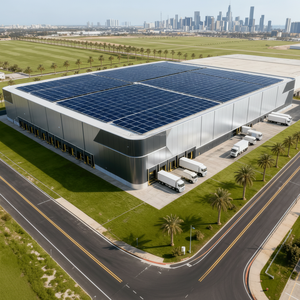
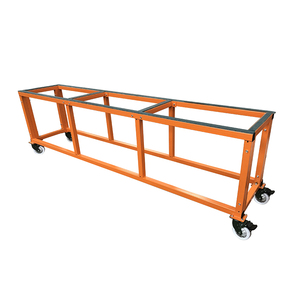
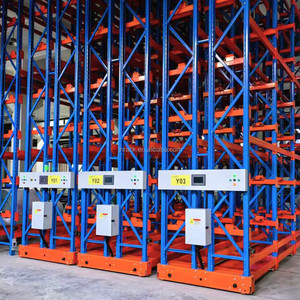
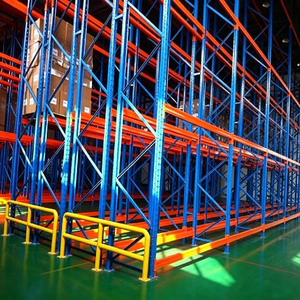
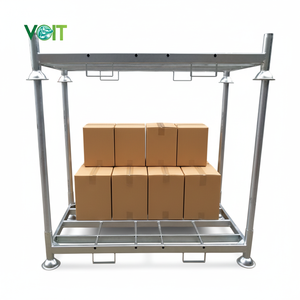
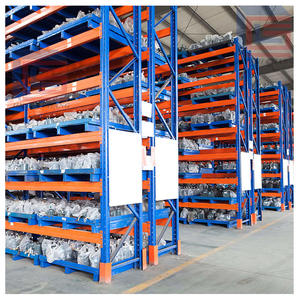
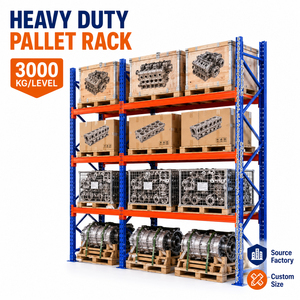
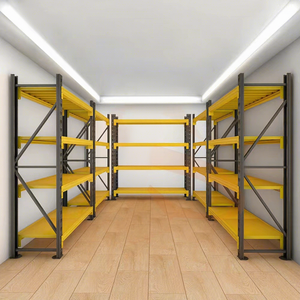
An Automated Pallet Shuttle System is a semi-automated or fully automated deep-lane storage matrix that utilizes a self-powered radio shuttle vehicle to transport pallets along specialized internal guidance rails within deep storage channels. By replacing conventional forklift operating aisles with dense racking structures, automated shuttle technology unlocks up to 85% vertical and horizontal footprint utilization.
Operates along a single lane axis (depth movement), picking and placing pallets at predefined channel locations via RF remote controller or direct Warehouse Execution Software (WES) commands. Requires lift-truck relocation between channels.
Equipped with dual-wheel sets, 4D shuttles navigate both cross-aisle channels and longitudinal rails independently. Interfaced with automated vertical lifts (elevators), 4D systems eliminate forklift dependencies entirely for lights-out warehouse automation.
Utilizing high-tensile hot-rolled steel channels and structural tubular uprights (referencing SK2000 and SK3000 design methodologies), our rack matrices are calculated to resist severe dynamic impacts and localized stress under continuous 24/7 cycles.
Unlike standard palleted racking where loads rest directly on beams, shuttle racking integrates custom continuous cold-formed galvanized guide rails. These rails perform a dual function: serving as load-bearing supports for pallets up to 2,000 kg and serving as precision tracks for the shuttle unit’s polyurethane high-friction drive wheels.
Our structural OEM design maintains a strict rail deflection tolerance under peak payload limit of < L/400. This engineered stiffness prevents micro-slippage of drive wheels during emergency braking or rapid acceleration (up to 1.2 m/s²), protecting sensitive electronic optical sensors and ensuring sub-millimeter positional positioning accuracy (+/- 2mm) at every pallet buffer position.
Procurement teams must evaluate trade-offs between initial capital expenditure, inventory selectivity, cycle speeds, and structural durability. The matrix below illustrates how custom OEM automated shuttle systems compare with alternative high-density warehouse storage solutions.
| Storage System Type | Storage Density Ratio | Pallet Access (FIFO / LIFO) | Throughput Speed (Pallets/Hr) | Forklift Operating Damage Risk | Relative ROI Horizon |
|---|---|---|---|---|---|
| Automated Pallet Shuttle (2D/4D) | Extreme (Up to 85%) | Both FIFO & LIFO Supported | Very High (40–80+ per lift) | Near Zero (External Aisle Only) | 18 – 30 Months |
| Drive-In / Drive-Through Racking | High (Up to 65%) | LIFO (Drive-In) / FIFO (Drive-Thru) | Low (15–25 per truck) | High (Tractor Enters Racking) | 12 – 24 Months |
| Pushback Cart System | Moderate-High (Up to 55%) | LIFO Only (2–6 Deep) | Moderate (25–35 per truck) | Moderate (Face Guarding Required) | 24 – 36 Months |
| Pallet Flow (Gravity Roller) System | High (Up to 70%) | Strict FIFO Only | High (30–45 per lane) | Low-Moderate | 30 – 42 Months |
| Traditional Crane AS/RS System | Maximum (Up to 90%) | Both FIFO & LIFO | High (Fixed Crane Velocity) | Zero (Automated) | 48 – 72 Months |
Intralogistics engineering is transitioning from isolated static storage toward fully integrated kinetic software-driven automation ecosystems. B2B buyers evaluating OEM suppliers must factor the following technological trends into their 10-year capital expenditure roadmaps:
Legacy lead-acid battery shuttles are obsolete. Next-generation automated shuttles integrate ultra-safe LiFePO4 cells with fast-charging technology (30-minute full charge, 8–10 hours continuous run-time) or inline supercapacitor induction charging at channel entry points, enabling perpetual 24/7 continuous operation.
With cold-chain logistics experiencing rapid global growth, structural steel racking and shuttle electronics must survive thermal shock and moisture condensation. OEM custom shuttles incorporate IP65-rated internal heating jackets, anti-freeze electronic enclosures, and low-temperature synthetic lubricants engineered for sub-zero freezer facilities.
Enterprise procurement teams avoid proprietary black-box software lock-in. Modern OEM shuttle controllers use industrial Wi-Fi (5GHz / Wi-Fi 6) or 5G private networks with native Modbus TCP, PROFINET, or RESTful API endpoints. This allows seamless direct integration into SAP, Manhattan, or Oracle WMS architectures.
No two fulfillment centers share identical pallet specifications. Leading manufacturers offer custom OEM channel profiles tailored to specialized pallet footprints (e.g., Euro-pallets 800x1200mm, GMA pallets 48x40in, industrial perimeter bases, or heavy stone/metal skids up to 3,000 kg).
As an authoritative manufacturer specializing in structural pallet racking and custom OEM automation integration, our production facilities combine mechanical precision, certified raw materials, and robust QA/QC verification workflows.
We source certified Q235B and Q355B (equivalent to ASTM A1011 Grade 50) structural steel channels, delivering superior yield strength against fatigue and impact damage compared to light-gauge open roll-formed racking.
All shuttle racking systems are designed, calculated, and manufactured in accordance with strict international storage specifications, including ANSI MH16.1 (RMI), EN 15512, and AS 4084 structural engineering standards.
Uprights, beam connectors, and track sub-assemblies undergo robotic GMAW welding and a multi-stage thermosetting epoxy-polyester powder coat finish, ensuring corrosion resistance in humid or cold storage environments.
From custom shuttle chassis color branding to specialized track dimensions, custom sensor brackets, and dual-pallet lifting mechanisms, our in-house engineering team provides comprehensive CAD/FEA design verification prior to batch production.
Here are expert answers to the most common technical questions raised by logistics directors, structural consultants, and warehouse automation managers.
Partner with an authoritative structural racking manufacturer and custom OEM automated pallet shuttle developer. Share your floor plan dimensions, pallet specifications, and throughput targets with our senior systems engineering team today.