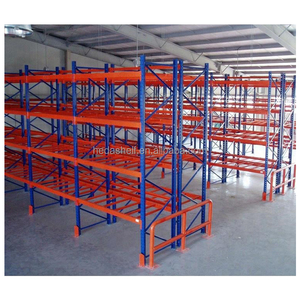
Explore our heavy-duty boltless tubular, structural steel, and high-density pallet racking systems compliant with international engineering standards.
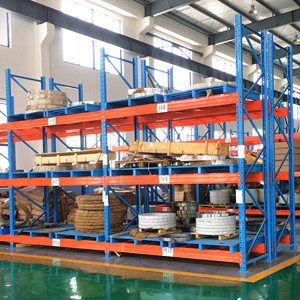
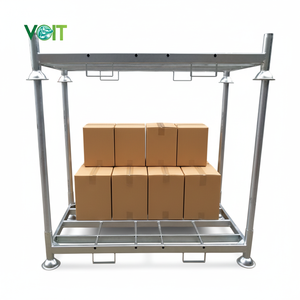
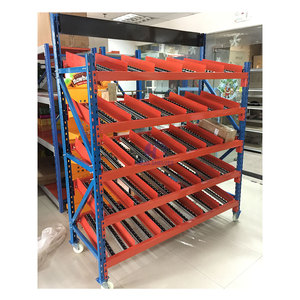
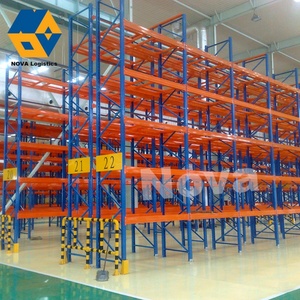
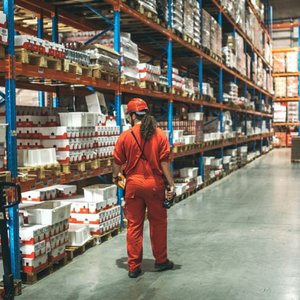
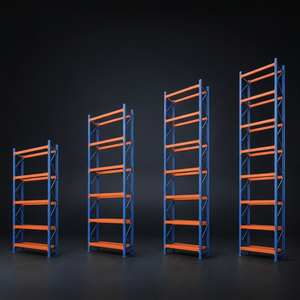
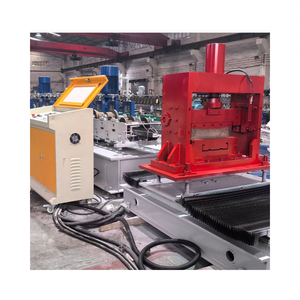
Combining heavy structural engineering, precision roll-forming technology, and total compliance with international racking certifications.
We source certified Q235B and Q355B cold-rolled steel and hot-rolled structural channels. Our SK2000 closed tubular upright profiles provide 250% higher torsional resistance against forklift impact compared to standard open-back roll-formed columns.
Every racking configuration undergoes Finite Element Analysis (FEA) and dynamic seismic stress simulation. Designs strictly align with ANSI MH16.1 (RMI standards), European EN 15512, and Australian AS 4084 building regulations for seismic zones.
Fully automated robot welding arms guarantee consistent weld penetration across beams, connectors, and baseplates. Our multi-stage automated electrostatic powder coating delivers superior scratch resistance and 500-hour salt spray anti-corrosion protection.
Modern global logistics is undergoing a paradigm shift toward space optimization, rapid fulfillment, and automated warehouse control systems (WCS). Selecting the correct pallet racking structural profile is fundamental to facility longevity, operator safety, and low Total Cost of Ownership (TCO). As a premier Chinese manufacturer specializing in high-bay pallet racking and automated material handling frameworks, we engineer custom rack solutions designed to withstand intense warehouse environments, dynamic seismic loads, and high-frequency automated shuttle throughput.
Information Gain Insight: Standard roll-formed racking often suffers from structural twisting under horizontal forklift collisions. Utilizing closed-section tubular uprights (SK2000 profile) or heavy C-channel structural steel (SK3000 profile) reduces rack replacement costs by up to 65% over a 10-year operational lifecycle.
Selecting the optimal rack geometry requires balancing inventory turnover velocity against spatial volumetric density. Below is a detailed engineering analysis of core industrial racking topologies engineered in our manufacturing facility:
| Storage Topology | Structural Profile | Volumetric Efficiency | Stock Access (Rotation) | Primary Industrial Applications |
|---|---|---|---|---|
| Selective Pallet Racking | Boltless Tubular / Open Roll-Formed | 40% - 50% Floor Util. | 100% Direct Access (FIFO/LIFO) | General Logistics, E-commerce Fulfillment, FMCG |
| Double-Deep Racking | Heavy-Duty Beam & Upright Frame | 55% - 65% Floor Util. | 50% Direct Access (LIFO) | Cold Storage, Bulk Manufacturing, Reserve SKU Bays |
| Pallet Flow / Gravity Rack | Structural Channel & Roller Track | 75% - 85% Floor Util. | Strict FIFO Automated Flow | Perishable Food & Beverage, Pharmaceuticals, Chemicals |
| Pushback Racking | Telescopic Nesting Carts / Rails | 70% - 80% Floor Util. | LIFO Matrix (2-6 Deep) | Medium-Velocity SKUs, High-Density Warehouse Bays |
| Drive-In / Drive-Through | Hot-Rolled Structural Channel | 75% - 85% Floor Util. | LIFO / FIFO Lane Access | Seasonal Bulk Goods, Deep Freezers, Raw Materials |
| Automated AS/RS High Bay | Precision Toleranced Structural Steel | 85% - 95% Floor Util. | Automated Crane / WMS Driven | Smart Factories, 24/7 Fully Automated Logistics Hubs |
Global procurement teams are shifting focus from initial capital expenditure (CAPEX) to long-term lifecycle value and system integration readiness. The integration of Autonomous Mobile Robots (AMRs), Automated Guided Vehicles (AGVs), and 4D Shuttle automated pallet systems requires tighter manufacturing tolerances (+/- 1.0mm vertical frame squareness) than traditional manual forklift racking. Key procurement directives include:
Modern warehouse facilities require structural framing capable of evolving from standard manual selective racking into automated shuttle-assisted or crane-guided AS/RS structures. Our beam profiles incorporate pre-punched precision keyholes and robotic guidance rail brackets, enabling seamless future upgrades to automated material handling without teardown costs.
With global cold chain energy costs escalating, high-density pushback, pallet flow, and radio shuttle racking are replacing conventional aisles in refrigerated and deep-freeze facilities (-30°C). Structural steel channels (Q355B grade) maintain toughness without cryogenic embrittlement, ensuring safety in sub-zero environments.
B2B buyers in Western Europe and North America now evaluate supplier carbon intensity. Our manufacturing complex employs recycled closed-loop water treatment, green electrostatic powder coatings free from volatile organic compounds (VOCs), and mill-certified steel traceability from raw billet to finished pallet beam.
How China's advanced manufacturing capabilities are reshaping automated racking infrastructure globally.
Smart rack frames equipped with strain gauges and vibration sensors now alert facility managers to impact overloads and localized fatigue in real time, preventing catastrophic structural collapse before maintenance routines occur.
Advanced multi-station continuous roll-forming mills produce continuous upright columns up to 15 meters in height without splice joints, offering vastly superior vertical straightness for ultra-narrow aisle (UNA) turret trucks and AS/RS cranes.
Through computational beam-nesting software, custom export bundles maximize container payload up to 26 metric tons per 40ft HQ container while incorporating specialized protective edge wrapping to eliminate transport damage.
Key technical, commercial, and logistics engineering insights for international racking procurement.
Boltless tubular racking utilizes closed-section cold-formed steel columns that snap together via heavy-duty connector drop pins without bolts, providing rapid installation and high torsional impact resistance. Structural steel racking is manufactured from hot-rolled C-channel structural steel assembled with heavy-duty Grade 5 bolts, making it exceptionally resilient under extreme loads, freezer conditions, and harsh industrial environments where forklift impacts are frequent.
To produce an engineered layout drawing and FEA load calculation, we require: (1) Pallet footprint dimensions (Width x Depth x Height including cargo overhang), (2) Maximum and average load weight per pallet, (3) Clear building height beneath roof trusses and fire sprinklers, (4) Forklift specifications including max lift height and aisle turning radius, (5) Concrete floor slab thickness and compressive strength, and (6) Local seismic zoning criteria.
Our rack systems are engineered in strict compliance with American RMI (ANSI MH16.1 Specification for the Design, Testing and Utilization of Industrial Steel Storage Racks), European Standard EN 15512 (Steel static storage systems - Adjustable pallet racking systems), and Australian Standard AS 4084. Third-party material test reports (MTRs) and structural calculations are supplied upon request.
All steel components undergo a multi-stage pre-treatment phase (degreasing, phosphating, and deionized water rinse) prior to high-durability electrostatic thermosetting powder coating. For ocean freight, structural bundles are wrapped in heavy plastic film, banded with steel strapping, and fitted with corner guards. Structural baseplates and hardware are hot-dip galvanized or zinc-plated to withstand maritime humidity.
Building or leasing additional warehouse space entails long-term overheads, property taxes, and utility costs. Systems like Pushback, Pallet Flow, and Shuttle Racking double or triple pallet position counts within your existing footprint. This structural density typically yields a full Return on Investment (ROI) within 12 to 18 months through saved real estate expenses and reduced internal travel distances for material handlers.
Standard roll-formed selective pallet racking orders of 5 to 10 container loads typically ship within 20 to 25 days following approval of engineering CAD drawings. Complex structural steel projects, high-bay AS/RS systems, or custom powder-coat color specifications require approximately 30 to 35 days, supported by complete packaging schedules and component tagging for clear on-site erection.