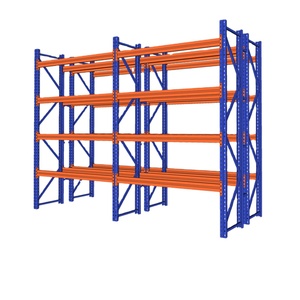
Explore our export-grade warehouse storage solutions, engineered for maximum load capacity, impact resistance, and dynamic material flow optimization.
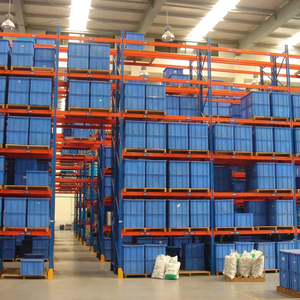
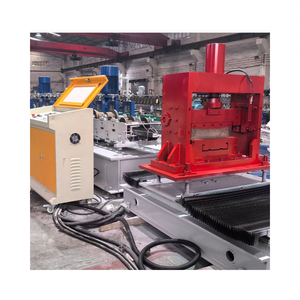
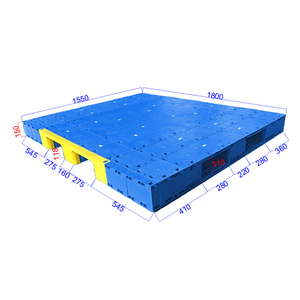
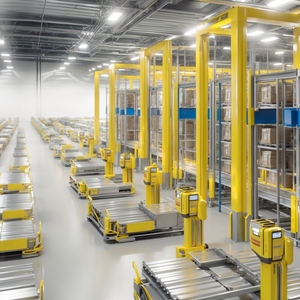
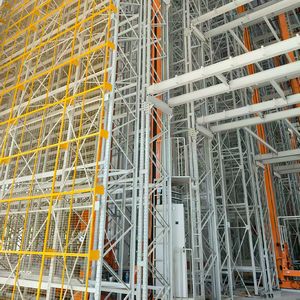
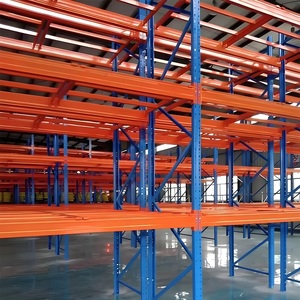
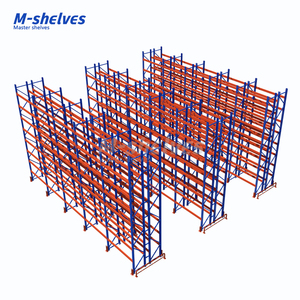
A Comprehensive Technical Guide for Supply Chain Directors, Logistics Engineers, and International Procurement Specialists.
In modern high-throughput logistics, operational profitability hinges on cubic space utilization, speed of stock turnover, and strict adherence to stock rotation principles. As a leading manufacturer and direct exporter in China, our organization engineers specialized Gravity Flow Pallet Racking Systems (also known as Live Pallet Flow Racking) designed to maximize density while guaranteeing seamless First-In, First-Out (FIFO) inventory control.
Unlike standard static selective racking—which requires extensive aisle space and excessive forklift travel—Gravity Flow Racking utilizes inclined wheel or roller tracks set at precise engineered gradients (typically between 3.5% to 4.5%). Pallets are loaded from the higher loading aisle and glide smoothly under controlled gravitational force to the lower picking face. This dynamic storage method reduces aisle requirements by up to 60%, drastically decreases fork-truck operating hours, and completely eliminates inventory expiration risks in time-sensitive industries such as cold chain food storage, pharmaceuticals, and FMCG manufacturing.
The operational reliability of gravity flow racking depends heavily on the mechanical precision of its components. A single system failure in a deep-lane layout can lead to line stoppage and dangerous pallet hang-ups. As China's premier manufacturer and exporter, our engineering design integrates rigorous physical calculations with high-grade steel fabrication.
We provide two foundational structural frame designs tailored to operational requirements. Our SK2000 Boltless Tubular Rack features fully closed structural tubing uprights that yield 44% more torsional strength and 250% higher impact resistance than standard open roll-formed C-channels. For extreme industrial environments, our SK3000 Structural Rack employs hot-rolled steel structural channel columns bolted with high-tensile Grade 8 fasteners, delivering unparalleled durability in heavy manufacturing and sub-zero cold storage facilities.
Controlled gravity acceleration is paramount for warehouse safety. Our gravity flow lanes incorporate custom-engineered centrifugal auto-speed controller rollers spaced at precise intervals along the flow path. These speed controllers automatically govern pallet descent velocity to a safe speed under 0.3 m/s, preventing dangerous kinetic energy accumulation regardless of whether the pallet weighs 300 kg or 1,500 kg.
To ensure ergonomic and safe offloading by forklift operators, our gravity flow systems utilize heavy-duty mechanical ramp separators positioned at the discharge end. The separator holds back the line of rear reserve pallets, isolating the frontmost pallet from back-pressure weight (which can reach several tons in deep lanes). Once the forklift removes the front pallet, the separator automatically resets, letting the next pallet glide safely into the picking window.
Selecting the optimal storage geometry requires evaluating inventory turnover speed, initial capital outlay, and operational throughput requirements. Below is an engineering comparison compiled by our technical team:
| Storage System Type | Storage Density | Inventory Rotation | Forklift Travel Time | Selectivity per SKU | Risk of Pallet Back-Pressure |
|---|---|---|---|---|---|
| Gravity Flow Pallet Racking | Very High (Up to 85%) | Strict FIFO (100%) | Minimal (Outer Aisles Only) | Excellent (Per Lane) | Zero (Ingress Separators Integrated) |
| Drive-In Racking | High (Up to 75%) | Strict LIFO | High (Drives inside rack structure) | Poor (Block Storage) | High (Structural Collision Risk) |
| Push-Back Racking | Moderate-High (Up to 65%) | Strict LIFO | Moderate (Front Face Loading) | Moderate (2 to 6 Pallets Deep) | N/A (Push Carts Occupied) |
| Standard Selective Rack | Low (35% - 40%) | Flexible | Very High (Aisle Dependent) | 100% Individual Access | None |
| Radio Shuttle ASRS | Maximum (Up to 90%) | FIFO or LIFO | Low (Automated Shuttle) | High (Software Controlled) | Zero (Battery Shuttle Driven) |
As a seasoned supplier and exporter based in China, our manufacturing facilities integrate state-of-the-art automated cold-roll forming lines, robotic welding cells, and continuous electrostatic powder coating chambers. We maintain total quality control over every structural beam, upright column, and galvanized steel roller track that leaves our plant.
Procurement executives navigating modern warehouse equipment sourcing must look beyond simple material costs and evaluate long-term technology compatibility and sustainability metrics. Over the next decade, several key developments will reshape gravity flow racking procurement:
Modern gravity flow picking faces are rapidly transitioning to support Autonomous Mobile Robots (AMRs) and Automated Guided Vehicles (AGVs). Procurement specifications now demand precision-machined front stop plates, laser reflector mounts, and specialized magnetic sensors embedded within gravity lanes to facilitate pin-point autonomous loading and unloading without human error.
With global cold chain logistics expanding rapidly, gravity flow racking is replacing powered conveyor equipment due to its zero-energy operational footprint inside freezer rooms (-25°C). Future procurement trends prioritize specialized synthetic lubricants, low-temperature polymer rollers, and hot-dip galvanized steel coatings that resist frost accumulation and corrosion without electrical draw.
Next-generation pallet flow lanes are adopting low-power IoT roller sensors that monitor lane occupancy rates, pallet glide velocities, and roller bearing wear in real time. This predictive maintenance data feeds directly into Warehouse Management Systems (WMS), alerting facility managers to slow-moving inventory or mechanical friction before a jam occurs.
The global demand for high-efficiency gravity flow systems is accelerating due to macro-economic pressure on physical real estate costs, industrial labor availability, and sustainability mandates:
Cubic Real Estate Monetization: Industrial real estate lease rates across North America, Western Europe, and Southeast Asia have reached historical highs. Logistics operators can no longer afford wide forklift aisles dedicated solely to travel. Gravity flow racking converts dead aisle space into dense revenue-generating storage blocks, allowing facilities to increase pallet position capacity by 50% to 120% without expanding their building footprint.
Strict Traceability & Food Safety Mandates: Global regulatory frameworks (such as FSMA in North America and EU Regulation 178/2002) enforce strict lot traceability for food, beverage, and medical supplies. Gravity flow automatically enforces FIFO inventory discipline—eliminating manual stock rotation oversight, minimizing product spoilage, and streamlining recall readiness.
Zero Energy Dynamic Material Handling: As ESG (Environmental, Social, and Governance) targets become mandatory for global enterprises, logistics leaders are shifting away from energy-intensive motorized conveyor systems toward gravity-assisted mechanical solutions. Gravity flow racking delivers continuous automated material movement with zero electrical consumption, reducing facility carbon footprints and ongoing utility expenditures.
Expert answers to common engineering, logistical, and commercial inquiries from global buyers.
For standard wooden pallets (such as GMA 48x40 inch or EUR 800x1200mm) weighing between 500kg and 1000kg, an engineered incline pitch of 3.5% to 4.0% (approximately 7/16 inch drop per foot) is optimal. Lighter plastic pallets or heavy metal containers may require custom pitch adjustments ranging from 3.0% to 4.5%, which our engineering team calculates using sample pallet testing.
We mitigate velocity surges by mounting indirect or direct-drive centrifugal speed controllers every 1 to 2 pallet lengths along the flow track. To eliminate pallet hang-ups caused by bottom-board deflection, we utilize full-width steel gravity rollers or multi-track staggered polymer wheels engineered specifically for the customer's pallet footprint and bottom runner geometry.
To engineer a site-specific solution, our engineering team requires: (1) Pallet dimensions including width, depth, height, and entry side; (2) Minimum and maximum pallet weights; (3) Clear building height beneath sprinkler heads; (4) Forklift model and maximum mast lift height; (5) Floor slab thickness and concrete compressive strength; and (6) Destination seismic zone parameters.
Yes. Our cold-storage gravity flow systems are specifically fabricated using structural steel grades rated for low-temperature ductility, finished with durable hot-dip galvanizing or cold-rated powder coating. Roller bearings utilize synthetic low-viscosity greases rated down to -30°C to prevent mechanical lockup caused by frost.
All our engineered pallet rack products meet or exceed ANSI MH16.1 (published by the Rack Manufacturers Institute - RMI), European standard EN 15512, and Australian Standard AS 4084-2023. We provide certified engineering load calculations and load capacity warning plaques with every exported project.
Contact our structural engineering and export team today for custom layout CAD designs, structural load calculations, and factory-direct FOB/CIF pricing.
Inquire Now