


Explore our precision-engineered dynamic rack systems, automated shuttle runners, and industrial pallet configurations designed for maximum cube utilization.
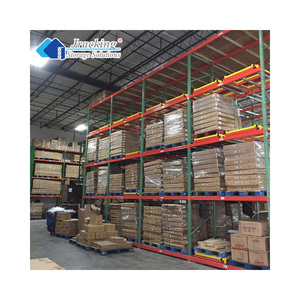
Why modern high-density warehouse logistics are shifting away from traditional drive-in rack systems toward automated radio shuttle and 4-way runner architectures.
Unlike open roll-formed racking profiles vulnerable to forklift collisions, FlexBeam engineered pallet shuttle systems combine SK2000® boltless tubular uprights and SK3000® hot-rolled structural steel channels. This dual-spec capability eliminates structural twist and provides up to 250% higher torsional rigidity, dramatically reducing maintenance downtime in high-throughput distribution centers.
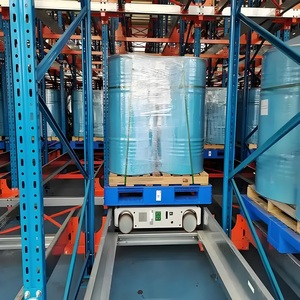
As a global CE certified pallet shuttle system supplier, our autonomous pallet carts integrate multi-layered hardware safety functions. Equipped with dual-frequency laser obstacle sensors, optical anti-collision guards, emergency stop circuits (EN ISO 13849-1 PLd), and electromagnetic braking, every shuttle guarantees operator safety under full 1,500 kg load conditions.
In cold storage and blast freezer applications (-25°C to -30°C), thermal losses account for up to 60% of total facility operational expenditure. Traditional selective rack layouts require extensive aisle space, wasting vast amounts of refrigerated air volume. By deploying a deep-lane semi-automated Pallet Shuttle System, storage volume utilization increases by up to 85% within the exact same building footprint.
Furthermore, our shuttles use custom thermal isolation circuitry and high-capacity LiFePO4 battery cells with embedded internal heating modules. This prevents voltage drops and capacity degradation down to -30°C, delivering uninterrupted 8-hour shift autonomy per charge cycle.
Quantitative evaluation comparing Radio Pallet Shuttle systems against legacy static and dynamic racking technologies.
| Storage Architecture | Volumetric Space Utilization | Forklift Damage Risk | Inventory Rotation Protocol | Pallet Throughput Speed | CE & Safety Compliance Standard |
|---|---|---|---|---|---|
| FlexBeam Radio Pallet Shuttle | 85% - 90% (Highest) | Near Zero (Forklifts remain outside lanes) | LIFO & FIFO Dual Logic | High (Up to 1.2 m/s shuttle travel speed) | CE, EN 15512, ANSI MH16.1, EN 60204-1 |
| Drive-In Racking | 65% - 75% | High (Forklifts enter racking channels) | LIFO Only | Low (Slow operator maneuvers required) | EN 15512, ANSI MH16.1 |
| Push-Back Rack (Cart / Roller) | 70% - 75% | Moderate (Front column exposure) | LIFO Only (Max 5-6 deep) | Moderate (Gravity push force limit) | ANSI MH16.1, RMI Certified |
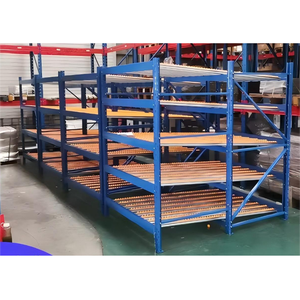
| Pallet Flow Rack (Gravity Roller) | 75% - 80% | Low to Moderate | FIFO Only | Moderate (Controlled dynamic brake rollers) | EN 15512 standard |
| Standard Selective Pallet Rack | 40% - 50% (Lowest) | Moderate to High | 100% Direct Selectivity | High per unit, low overall volumetric efficiency | ANSI MH16.1, EN 15512 |
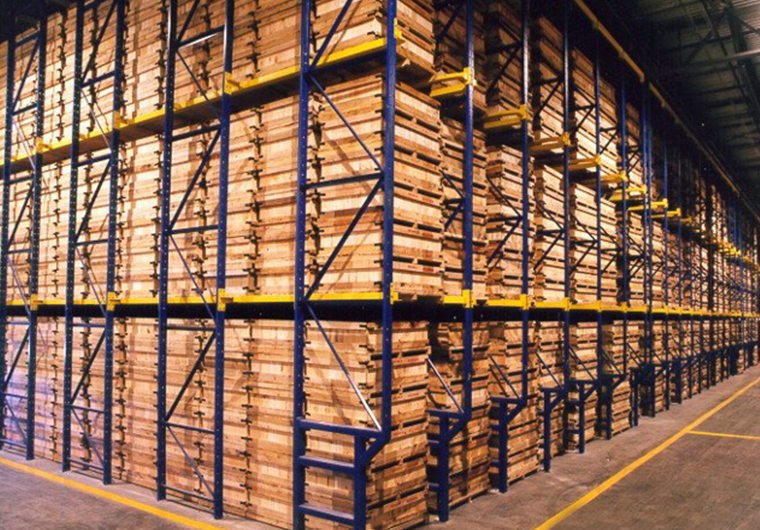
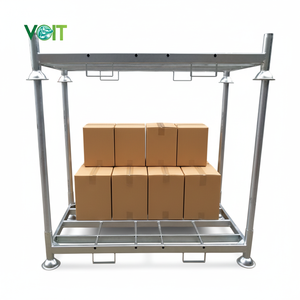
Rigid channel steel design engineered to withstand severe forklift impacts and support deep-lane high-density automated shuttle runs.
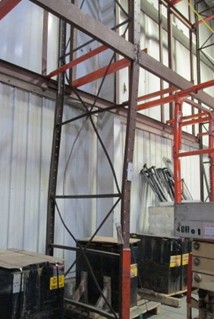
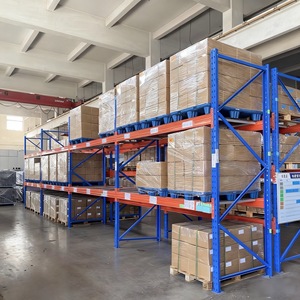
SK2000 closed tubular profiles deliver maximum load bearing and resistance to lateral impacts in high-traffic distribution hubs.
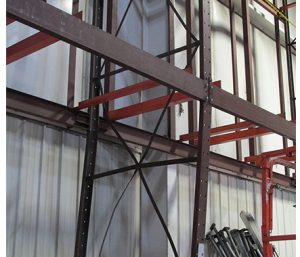
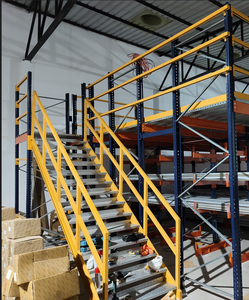
Avoid catastrophic frame collapse caused by forklift impact. Shuttle systems keep heavy lift trucks out of internal rack bays entirely.
Analyzing key technological shifts in warehouse automation, energy systems, and global regulatory compliance driving buyer decisions through 2030.
Procurement teams are moving away from traditional lead-acid batteries toward Lithium Iron Phosphate (LiFePO4) chemistry. Modern radio shuttles now incorporate automated wireless contact plates or inductive charging stations built directly into the storage channels. This enables automated "opportunity charging" during idle periods, eliminating manual battery swapping and achieving 24/7 continuous operations.
While traditional 2D radio shuttles operate along a single aisle axis driven by forklifts, future warehouse developments prioritize 4-Way Shuttle technology. Integrated with vertical reciprocating lifts (elevators) and centralized Warehouse Control Systems (WCS), 4-Way shuttles navigate both longitudinal and transverse channels independently, transforming static racking into a fully automated AS/RS matrix.
Enterprise buyers now require CE certified pallet shuttle suppliers to deliver IoT-enabled shuttle fleets. Real-time telemetry tracks wheel motor temperature, laser alignment status, battery health metrics, and structural vibration indices. WCS algorithms predict mechanical wear and prompt maintenance before an operational breakdown occurs, maintaining maximum warehouse uptime.
How our engineering team transforms raw warehouse layout dimensions into an optimized, load-certified shuttle installation.
Verification of floor slab flatness (FF/FL numbers), seismic zone ratings, building clear height, and obstruction clearances.
Finite Element Analysis of upright frames, rail guide beams, and seismic bracing to ANSI MH16.1 & EN 15512 specifications.
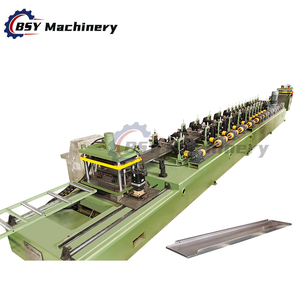
Automated roll-forming, robotic welding, and powder coating of structural channels and hot-dipped galvanized guide rails.
Rigorous bench testing of shuttle hardware, emergency braking distance, laser sensor calibration, and radio frequency connectivity.
Bundled container loading, component tag labeling, load capacity plaque installation, and remote/onsite commissioning support.
Detailed answers covering technical specifications, CE compliance, structural requirements, and ROI estimation.
A legitimate CE certified pallet shuttle system must comply with the European Machinery Directive 2006/42/EC. This encompasses EN ISO 12100:2010 for mechanical risk assessment and risk reduction, EN 60204-1:2018 for electrical safety and electromagnetic compatibility (EMC), and EN ISO 13849-1 for safety-related parts of control systems (achieving Performance Level d minimum for anti-collision braking and emergency stop functions).
Radio pallet shuttles travel inside custom cold-rolled or structural steel rail profiles mounted to the beam frames. The rack structure requires tighter alignment tolerances than standard selective racking. Deflection of support beams under full load must not exceed L/200, and rail gauge spacing must be maintained within ±2 mm along the entire channel depth to prevent shuttle derailment or sensor false-tripping.
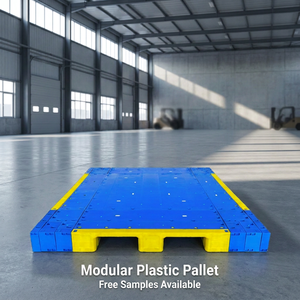
Yes. FlexBeam radio shuttles can be designed with multi-sensor detection arrays that adjust travel stops according to wooden, plastic, or metallic pallets (e.g., Euro pallets 800x1200mm, Industrial pallets 1000x1200mm, or custom 1750x1500mm 3-runner plastic pallets). However, pallet bottom boards must be structurally sound and free of broken runners to ensure stable lifting by the shuttle's internal hydraulic or electromechanical platform.
The system operational logic depends on racking aisle configuration. For LIFO (Last-In, First-Out) operations, loading and retrieval take place from the same front aisle face. For FIFO (First-In, First-Out) operations, loading occurs at the rear aisle face while retrieval occurs at the front face. The shuttle software (configured via handheld RF controller or WMS integration) automatically advances remaining pallets to the front picking face after each retrieval cycle.
Our shuttle units feature heavy-duty 24V or 48V LiFePO4 (Lithium Iron Phosphate) battery packs rated for over 3,000 complete charge/discharge cycles. Full recharge time using high-speed industrial chargers is approximately 3 to 4 hours, yielding up to 8 to 10 hours of continuous heavy-load operating autonomy.
Because shuttle racking concentrates immense weight into smaller floor footprints, concrete slab design must be verified by a structural engineer. Minimum slab thickness typically ranges between 200mm and 250mm with reinforced mesh, capable of supporting concentrated point loads from upright footplates exceeding 80 to 120 kN. Floor levelness should adhere to DIN 18202 or VDMA guidelines for defined traffic lanes.
SK2000® boltless tubular uprights utilize closed-section profiles that offer superior resistance against torsional twist and localized impact in high-traffic distribution hubs. SK3000® structural steel utilizes heavy-duty hot-rolled channel steel bolted together with high-strength grade 5/8 fasteners, ideal for extreme loads, heavy freezing environments, and maximum rack height installations exceeding 12 meters.
Consult with FlexBeam senior structural engineers to calculate your pallet position gains, model throughput speeds, and receive a comprehensive engineered proposal tailored to your facility.