


Explore our export-ready, structural steel pallet racking systems and mezzanine catwalk configurations, manufactured under strict factory production control (FPC) guidelines.
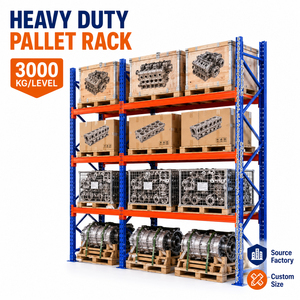
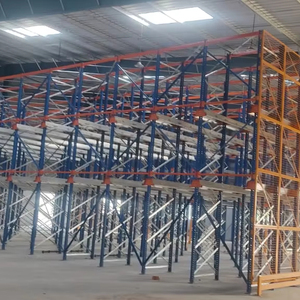
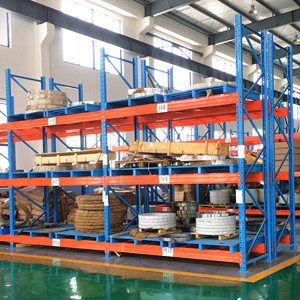
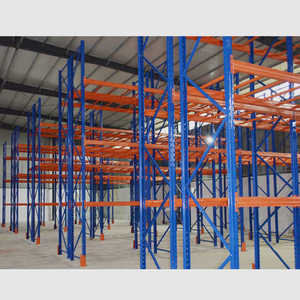
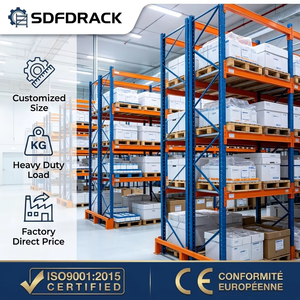
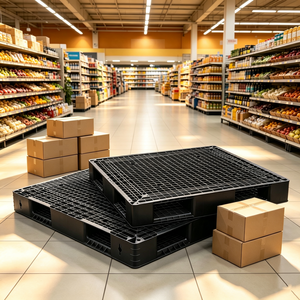
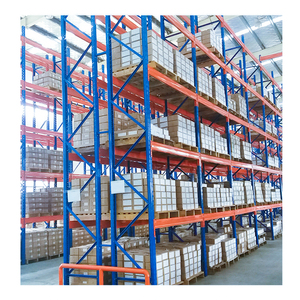
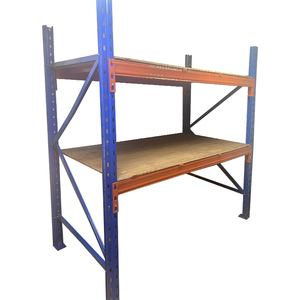
In modern high-density fulfillment hubs, global logistics operators face a structural paradox: maximizing vertical cubic space while maintaining uninterrupted manual pick access for high-velocity SKUs. Traditional heavy-duty selective pallet racking optimizes pallet positions along high-bay vertical channels, but requires specialized reach trucks or VNA (Very Narrow Aisle) equipment. Conversely, standard industrial mezzanines provide floor space but often lack seamless integration with pallet storage matrixes.
CE Certified Pallet Racking with Catwalk Systems (often categorized as Rack-Supported Multi-Tier Mezzanine Platforms) bridges this operational gap. By utilizing heavy-duty structural uprights to support elevated walkways, catwalk systems transform unused overhead air space into fully accessible, multi-level order picking environments. However, designing, manufacturing, and deploying these complex structural assemblies requires strict adherence to international building regulations, mechanical stability criteria, and occupational safety directives.
Procuring industrial racking systems within the European Economic Area (EEA) and global markets governed by strict safety regulations demands explicit CE conformity under the Construction Products Regulation (CPR 305/2011). Catwalk pallet racking systems are classified as structural load-bearing components, requiring manufacturers to operate validated Factory Production Control (FPC) systems.
Calculated structural design principles for adjustable pallet racking systems. Account for dynamic beam sway, sway imperfections, shear deformation, and second-order structural effects (P-Delta analysis).
Execution of steel structures. Validates structural welding, cut accuracy, anti-corrosion surface treatments, and traceability of certified Q355B / S355JR structural steel grades.
Safety of machinery and permanent means of access to industrial structures. Governs catwalk staircase angles, step dimensions, guardrail heights (minimum 1100mm), and kickplate barriers.
A non-compliant structural racking system poses catastrophic risks, including localized column buckling under asymmetric loading, progressive structural collapse, and severe liability during safety audits. Factory-certified CE marking ensures that load capacity calculations accurately reflect point loads, distributed floor loads, and dynamic operational vibrations.
The structural backbone of any catwalk racking system is the vertical upright column. Because catwalk walkways transfer live personnel loads, pallet drop-zone impacts, and hand-trolley traffic directly into the racking frames, column stiffness is paramount.
Engineered rack configurations typically utilize two distinct profile methodologies:
| Engineering Attribute | FlexBeam SK2000 Closed Tubular Upright | Standard Open C-Channel Profile | Structural Hot-Rolled Channel (SK3000) |
|---|---|---|---|
| Torsional Rigidity | High (Closed Loop Section) | Low (Prone to twisting) | Exceptional Solid Mass |
| Forklift Impact Resistance | 250% Higher than open section | Standard Base Level | Maximum Structural Class |
| Catwalk Load Transfer | Uniform axial transmission | Requires heavy splice plates | Direct bolted beam connections |
| Connectors & Fasteners | Boltless tear-drop / keyhole weld hooks | Standard bolted brackets | High-strength Grade 8.8 bolts |
| Cold Storage Application | Excellent resistance to stress cracking | Moderate performance | Superior thermal mass structural grade |
For multi-level catwalk systems, closed structural tubular profiles or hot-rolled structural steel channels provide superior resistance against torsional buckling caused by asymmetric weight placement on upper walkway levels. Furthermore, moment-resisting frame connections reduce the need for aggressive cross-bracing in pedestrian walkways, ensuring clear head height and ergonomic picking channels.
Selecting the appropriate catwalk decking material involves balancing pedestrian traction, wheel-load capacity for pick carts, ambient acoustic dampening, and fire protection code compliance (EN 12845 and NFPA 13).
Local fire authorities frequently mandate a minimum of 50% to 70% open floor area for elevated catwalk walkways to allow overhead fire sprinkler systems to penetrate lower picking levels without obstruction. Perforated steel planks or heavy-duty galvanized steel grating must be selected based on droplet drainage metrics without compromising rolling-wheel ergonomics or shoe-heel safety.
How forward-thinking supply chain directors are modernizing multi-tier warehouse infrastructure.
Modern catwalk systems are engineered with reinforced floor beams to accommodate Autonomous Mobile Robots (AMRs) operating on elevated picking levels alongside human order pickers, reducing travel time by up to 60%.
Global ESG mandates require enterprise buyers to trace Scope 3 supply chain emissions. Next-generation racking manufacturing leverages electric arc furnace (EAF) steel and recycled steel billets to reduce carbon footprint per pallet position.
Smart catwalk rack legs are increasingly outfitted with embedded strain gauges and IoT sensors to monitor deflection, dynamic impacts, and structural overload in real-time, feeding health metrics directly to WMS platforms.
At FlexBeam Warehouse Equipment Co., Ltd., we understand that international B2B buyers require complete engineering accountability—not just commodity steel products. As a premier manufacturer of CE-certified pallet racking, structural rack systems, industrial containers, and work platforms, FlexBeam operates advanced manufacturing facilities designed for rapid custom fabrication and global export compliance.
Direct technical answers addressing structural engineering, regulatory approval, and installation logistics.
Consult with FlexBeam's senior structural engineering team today to review your warehouse floorplan and obtain a CE-compliant engineering layout proposal.